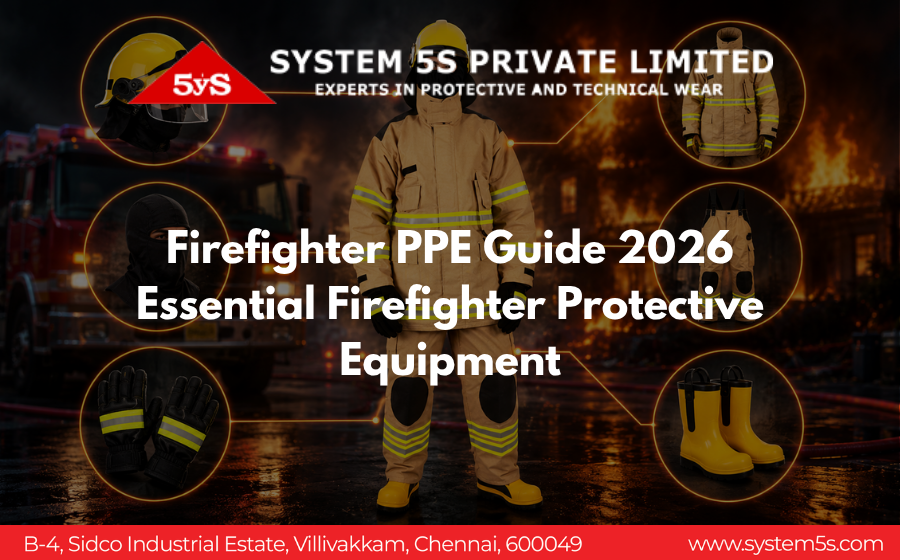
Firefighting is one of the most dangerous professions in the world, requiring individuals to face extreme heat, smoke, toxic substances, structural hazards, and unpredictable emergencies. To operate safely and effectively in such conditions, firefighters depend on specialised protective gear known as firefighter PPE.
Modern firefighter PPE has evolved significantly over the years. Today, it is designed not only to protect against flames and heat but also to safeguard firefighters from carcinogens, hazardous chemicals, physical injuries, and environmental risks. As safety standards continue to advance, understanding the components and importance of firefighter protective equipment is crucial for fire departments, industrial facilities, and emergency response teams.
Firefighter PPE (Personal Protective Equipment) refers to the full set of protective gear firefighters wear during emergency operations. This equipment serves as a barrier between firefighters and the numerous hazards they encounter while responding to fires, rescues, and hazardous-material incidents.
The primary goal of firefighter protective equipment is to minimise injuries, improve operational efficiency, and ensure maximum firefighter safety in high-risk environments.
Every fire scene presents unique challenges. High temperatures, falling debris, toxic smoke, sharp objects, and chemical exposure can all pose serious threats to firefighters.
Without proper firefighter PPE, responders face increased risks of:
High-quality protective equipment enables firefighters to perform critical rescue and suppression tasks while maintaining optimal safety and confidence.
The firefighting turnout gear suitstyle=”font-weight: 400;”> is the most recognisable element of firefighter PPE. Often referred to as bunker gear, this protective suit consists of a coat and trousers specifically engineered to withstand extreme temperatures and hazardous conditions.
A typical firefighting turnout gear suit includes multiple layers:
This layered construction provides protection while maintaining flexibility and comfort during operations.
Fire helmets protect the head from falling debris, impacts, heat exposure, and electrical hazards. Modern helmets are lightweight, durable, and designed to provide excellent visibility and comfort during extended use.
Many helmets now feature integrated face shields and communication systems that enhance both safety and operational effectiveness.
Firefighting gloves are designed to protect hands from heat, cuts, punctures, and abrasions while allowing firefighters to maintain a secure grip on tools and equipment.
Advanced glove designs balance thermal protection with dexterity, ensuring firefighters can perform complex tasks without compromising safety.
Protective boots shield firefighters from sharp debris, extreme temperatures, water, and hazardous materials. They typically feature reinforced toe caps, slip-resistant soles, and waterproof construction.
Proper footwear is essential for mobility and injury prevention in challenging environments.
Protective hoods cover areas of the head, neck, and face that may remain exposed between the helmet and turnout gear. These garments provide additional protection from heat and airborne particles.
As awareness of carcinogenic exposure increases, protective hoods have become an increasingly important component of firefighter protective equipment.
An SCBA supplies clean, breathable air in environments contaminated by smoke, toxic gases, or oxygen-deficient conditions.
This equipment is critical for firefighters safety, allowing personnel to operate safely in dangerous atmospheres while maintaining respiratory protection.
The future of firefighter PPE extends beyond traditional heat protection. New safety standards and technological innovations are reshaping the industry.
Increased Focus on Cancer Prevention
Research has highlighted the health risks associated with exposure to toxic contaminants during firefighting operations. Manufacturers are now developing advanced materials that reduce particulate penetration and improve resistance to contaminants.
Lightweight Materials
Modern PPE is becoming lighter without sacrificing protection. Reduced weight helps minimise fatigue, improve mobility, and enhance overall performance during prolonged incidents.
Enhanced Comfort and Ergonomics
New designs prioritise comfort, flexibility, and range of motion. Better-fitting gear allows firefighters to move more efficiently while reducing physical strain.
Smart PPE Technology
Emerging technologies include integrated sensors that monitor temperature, environmental conditions, and firefighter health metrics in real time. These innovations can improve situational awareness and emergency response capabilities.
Maintaining firefighter protective equipment is just as important as selecting the right gear.
Recommended practices include:
Proper maintenance extends equipment lifespan and ensures reliable protection when it matters most.
When selecting firefighter PPE, organisations should evaluate:
Choosing the right PPE ensures better protection, improved performance, and enhanced firefighter safety across emergency and industrial applications.
Modern firefighter PPE is far more than a barrier against heat and flames. It is a comprehensive safety system designed to protect firefighters from physical, thermal, respiratory, and chemical hazards. From helmets and gloves to SCBA systems and firefighting turnout gear, every component plays a critical role in ensuring operational readiness and safety.
As standards continue to evolve in 2026 and beyond, investing in high-quality firefighterprotective equipment remains essential to protect lives, improve performance, and support firefighters’ long-term health. Companies like System 5S provide reliable safety solutions that help organisations meet modern protection requirements while prioritising worker safety and compliance.

