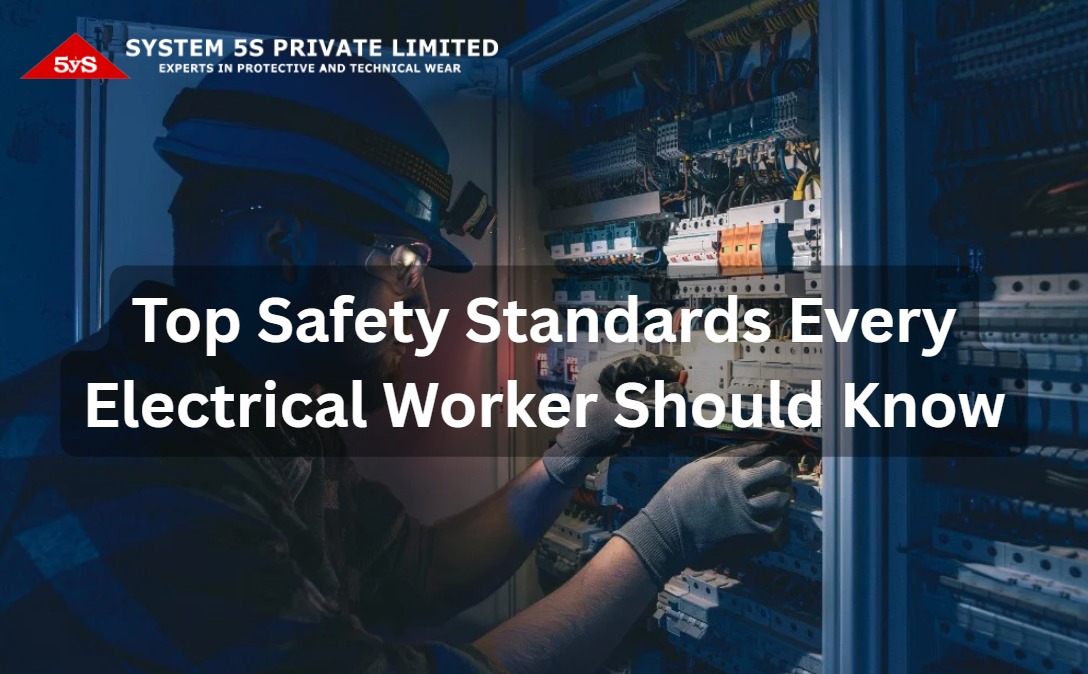
In industrial settings, working with electricity is dangerous, and even a small mistake can lead to serious injury or worse. Electrical hazards are among the most serious risks in the workplace, so strict safety standards exist to protect workers. In the United States, OSHA and the National Fire Protection Association (NFPA) establish regulations and guidelines to ensure electrical work is done safely. This post highlights the top safety standards every electrical worker should know, from OSHA rules and NFPA 70E to key practices like lockout/tagout, personal protective equipment (PPE), hazard communication, and electrical risk assessment.
OSHA Regulations: The Foundation of Electrical Safety
OSHA sets baseline requirements for electrical safety in the workplace, and its standards are designed to protect workers from hazards like electric shock, electrocution, fires, and explosions. A core OSHA rule is that live electrical parts must be de-energized and locked/tagged out before any maintenance or repair, a step that significantly reduces the risk of arc flash and shock incidents. OSHA also mandates training for all employees exposed to electrical dangers, so they can recognize hazards and use protective measures correctly.
NFPA 70E: Electrical Safety in the Workplace
NFPA 70E is an industry consensus standard that complements OSHA’s rules by explaining how to work safely around electricity. It addresses hazards like electric shock and arc flash, and emphasizes eliminating danger whenever possible. In other words, always turn off the power and create an “electrically safe” condition before working on equipment. NFPA 70E also provides guidance on safe work practices such as proper lockout/tagout procedures and PPE us when working on live electrical equipment is necessary; while NFPA 70E isn’t law, it is widely followed and often used as a benchmark by OSHA.
National Electrical Code (NEC): Safe Electrical Installations
The National Electrical Code (NEC), also known as NFPA 70, focuses on safe electrical design and installation. The NEC’s purpose is to prevent electrical fires and shocks by providing clear standards for wiring, grounding, and equipment installations. Most jurisdictions adopt the NEC into building codes, meaning electrical work must comply with NEC requirements to pass inspections.
Lockout/Tagout (LOTO): Controlling Hazardous Energy
Lockout/Tagout (LOTO) is a critical procedure for safely controlling energy during electrical maintenance or repairs. It involves isolating the power source and locking the circuit breaker or switch in the “off” position, then attaching a tagged warning so no one else turns the power back on. Both OSHA and NFPA 70E enforce strict LOTO requirements: OSHA mandates that equipment be fully de-energized and locked/tagged out before an employee works on it to prevent accidental startup, and NFPA 70E prescribes the same steps, after disconnecting power, the worker places a personal lock and tag to ensure the circuit stays off.
Personal Protective Equipment (PPE): Last Line of Defense
Even with other precautions in place, electrical workers must wear appropriate personal protective equipment as a final layer of defense. Essential electrical PPE includes insulating rubber gloves, flame-resistant (arc-rated) clothing, safety glasses, and face shields. OSHA requires workers to use this protective gear whenever there is a risk of injury from electrical hazards, for example, proper eye and face protection must be worn if there’s danger of an arc flash or explosion. Wearing the right PPE can mean the difference between a minor incident and a serious injury.
Hazard Communication and Signage
Electrical hazards must be clearly communicated to everyone in the area. OSHA requires warning signs or tags on energized equipment and high-voltage areas so that workers and visitors recognize the danger and keep a safe distance.
Electrical Risk Assessment and Planning
Before starting any task, qualified workers should perform an electrical risk assessment to identify potential shock and arc flash hazards and decide on safe work measures. This planning step often leads to actions like using insulated tools and establishing safe boundaries before work begins.
Conclusion
Electrical safety standards are more than checklists, they are essential practices that protect lives. Adhering to OSHA regulations, NFPA 70E guidelines, the NEC, and procedures like lockout/tagout, PPE use, hazard communication, and risk assessment is critical in reducing the risk of injury or fatality on the job.
At System 5S, maintaining a safe and compliant electrical work environment is a top priority. The company is committed to embedding these standards into daily operations and fostering a safety-first culture across its workforce. Regular training, hazard awareness, and a mindset of vigilance are not optional, they’re ongoing responsibilities. By staying informed and accountable, electrical workers help build safer, stronger worksites, something System5S actively supports every day.

