Molten Metal Hazards: Safety Standards in India

Molten Metal – A Severe Workplace Hazard

In foundries, steel plants, and metal casting facilities, workers routinely handle molten iron, steel, aluminum, and other metals. A splash or spill of this liquid metal can cause instant and severe burns. Unlike ordinary burns, molten metal sticks to surfaces and clothing, transferring intense heat. Victims may suffer deep burns, and nearby materials can ignite. In some cases, explosive eruptions or splashes can even throw workers off balance. These characteristics make molten metal a top safety concern in metalworking industries.

Common injury scenarios include ladles spilling molten iron, furnace eruptions, or splashes during pouring. Such incidents not only burn any exposed skin but can penetrate normal work clothes. That’s why specialized personal protective equipment (PPE) is critical – regular cotton uniforms would catch fire or melt. Molten metal accidents also often involve multiple workers at once, compounding the seriousness of these events.

Indian Safety Guidelines and Standards for Molten Metal Work

Indian law and standards recognize molten metal as a serious workplace hazard and lay down guidelines to protect workers. The Factories Act, 1948 (and State Factory Rules) requires employers to ensure safety in all industrial processes, including foundries. Specific rules mandate protective gear and precautions for molten metal handling. For example, tasks like “work at a furnace where there is risk to the eyes from molten metal” or “pouring or skimming of molten metal” are explicitly listed as operations that require proper eye and face protection. This means workers doing metal casting or furnace work must be provided with safety goggles or face shields to guard against splashes.

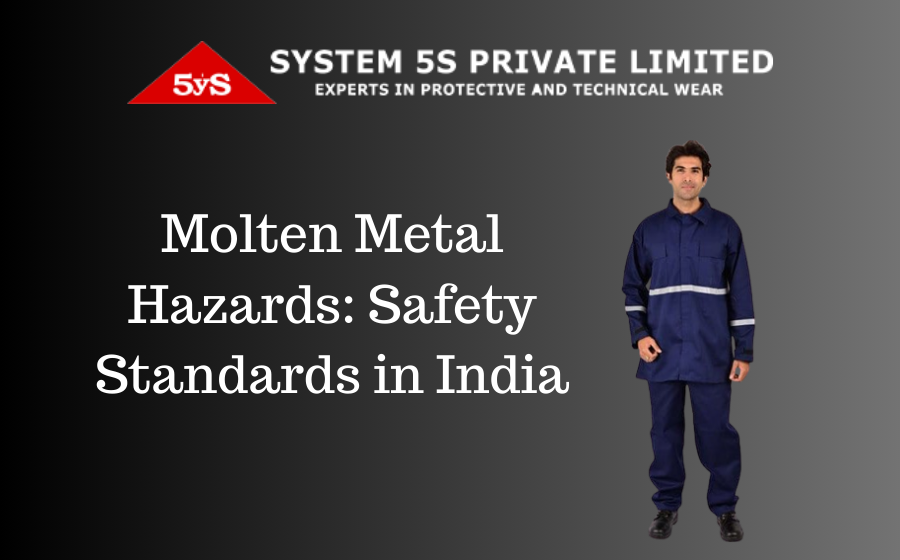
Personal Protective Equipment (PPE) Rules: Indian factories must supply appropriate PPE to all workers exposed to hazards. Factory rules state that “all workers should be mandatorily provided with PPEs as required… and such PPEs shall conform to the relevant national standard”​.  In practice, this means foundry workers handling molten metal should receive flame-resistant jackets or aprons, face shields, gloves, leggings/gaiters, and safety boots that meet Indian Standards. The rules also mention “suitable gloves, leather gauntlets and mittens conforming to relevant National Standard shall be used” to protect workers’ hands​. This legal framework (under the Factories Act) makes it clear that ordinary clothing is not enough – certified protective clothing is a must when dealing with molten metal.

Importance of Specialized Protective Gear and Maintenance

Workers’ protective garments should be kept in top condition – clean, intact, and free of damage – to ensure maximum safety. Even the best protective gear can fail if it’s worn-out or improperly maintained. Molten metal PPE often has special coatings (like aluminized surfaces that reflect heat, or leather treated for fire resistance) which can be compromised by soil, oil, or wear and tear. Indian guidelines (and good safety practice) advise regular inspection and maintenance of PPE. Employers should replace any charred, thin, or torn protective clothing immediately, as even a pinhole can let molten metal through.

In India, companies like System 5S emphasize not only providing quality safety gear but also proper upkeep. For example, contaminated workwear can lead to reduced flame resistance or foster bacteria (if soaked in sweat), so industrial laundry and repair services are offered to keep gear clean, durable, and reliable. Regular cleaning removes flammable oil/grease and metal particles, while timely repairs (fixing broken fasteners, patching holes) extend the life of costly protective clothing. This ensures that a jacket or apron will perform as designed when a real incident occurs.

Key Takeaway

Molten metal hazards are a reality in India’s manufacturing sector – but the injuries and tragedies are preventable. Adhering to Indian safety standards like the Factories Act and BIS PPE specifications can dramatically reduce these risks. It is vital for employers to provide specialized protective gear and ensure workers actually wear them. Equally important is fostering a safety culture of maintenance, training, and vigilance. Workers should be trained in safe pouring techniques, emergency responses (e.g. eyewash for splashes), and the importance of keeping their protective gear in good condition.

In summary, molten metal safety isn’t just a regulatory checkbox but a life-or-death matter. With the right gear – meeting IS standards for molten metal protection – and strict compliance with safety guidelines, companies can protect their employees from horrific burn injuries. The investment in proper PPE and training pays off by preventing accidents, saving lives, and avoiding the human and economic costs that come with every molten metal incident. For Indian industry, striving toward zero accidents in foundries and steel plants is an achievable goal – and it starts with recognizing the risks of molten metal and taking all possible precautions to mitigate them.

How to Choose the Right Arc Flash Suit: A Complete Guide

Arc flash suits are essential safety gear for professionals working with electrical hazards. Designed to provide protection from arc flash heat exposures, these suits offer crucial extra seconds for users to escape potential secondary explosions or fires. Selecting the right arc flash suit involves considering factors such as ATPV ratings, materials, compliance with safety standards, and comfort features.

Understanding ATPV Ratings and Safety Compliance

Arc flash suits are rated based on their Arc Thermal Performance Value (ATPV), which measures the level of incident energy a suit can withstand before the wearer sustains a second-degree burn. For example, an HRC 2 arc flash protection suit is suitable for environments with an arc flash hazard of up to 18 cal/cm². Higher-calorie ratings, such as 25 cal/cm² or 30 cal/cm², offer increased protection and are necessary for more hazardous electrical work. Compliance with safety standards like NFPA 70E ensures that these suits meet strict requirements for flame resistance, durability, and user safety.

Selecting the Right Material and Design

The material used in an arc flash suit plays a crucial role in its performance. Many high-quality suits are made from MHP or Protera fabric, which combines Nomex, Kevlar, and other high-strength fibers. These materials are inherently flame-retardant, ensuring durability, washability, and breathability. The inclusion of anti-static properties further enhances protection, making the suit safer for electrical work.

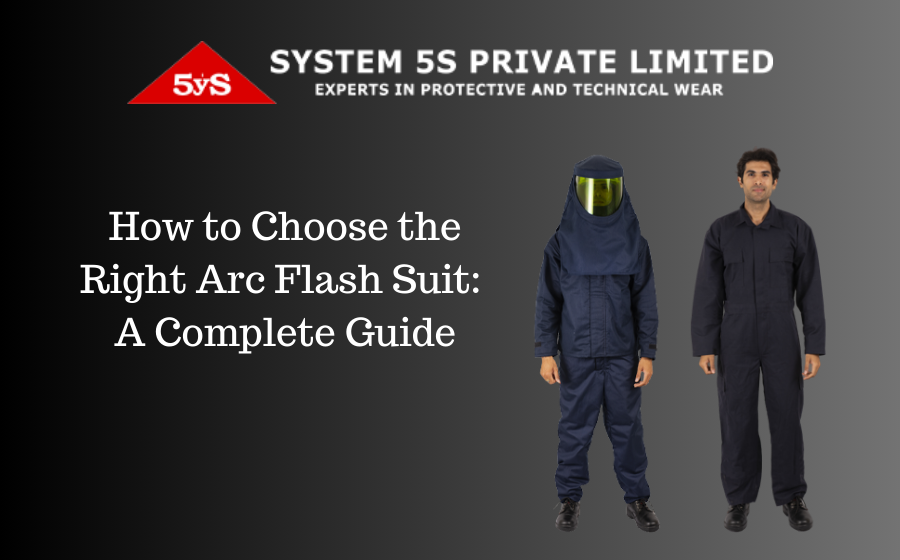
Arc flash suits come in various designs, including coveralls, jackets, and trousers. Coveralls offer full-body protection with features such as front zipper closures, multiple pockets, and high collars for better shielding. Jackets and trousers provide greater flexibility, with elastic waists, hook-and-loop closures, and reinforced seams for long-term wear. Many models also come with optional features like flame-retardant reflective tapes for increased visibility and customized logo embroidery.

Finding the Right Suit for Your Needs

For professionals working in lower-risk electrical environments, an arc flash suit with an ATPV rating of 8 cal/cm² is sufficient. These suits offer essential protection while maintaining comfort and mobility. Workers handling more intense electrical hazards may require a suit with an ATPV rating of 18 cal/cm² or higher, which includes enhanced features such as double-layered fabric, additional pockets, and throat tabs for increased protection.

For those engaged in prolonged or high-intensity electrical tasks, suits with an ATPV rating of 25 cal/cm² or above are the best choice. These suits are made with multiple layers of Protera fabric, offering greater resistance to arc flash energy. The addition of detachable hoods with high-temperature visors ensures full head protection while maintaining clear visibility.

Professionals who need the highest level of arc flash protection should opt for suits rated at 40 cal/cm² or even 77 cal/cm². These suits are typically multi-layered, combining Nomex and Kevlar for maximum durability and flame resistance. They are designed to withstand extreme conditions and often include full-body coverage with integrated gloves, hoods, and safety glasses. The lightweight construction of these high-calorie suits ensures ease of movement without compromising safety.

Comfort and Practicality Considerations

While safety is paramount, comfort is also a key factor in selecting an arc flash suit. Workers often wear these suits for extended periods, making breathability and ease of movement essential. Features such as adjustable waistbands, storm cuffs, and ergonomic designs help improve wearer comfort. Suits made with ultra-soft fabric layers provide a better fit while ensuring long-lasting fire resistance. Additionally, quick-release zippers and hook-and-loop closures allow for easy removal in case of emergencies.

Final Thoughts

Choosing the right arc flash suit depends on the specific risks involved in the work environment. Workers in lower-risk areas may only require a suit with a basic ATPV rating, while those handling high-voltage equipment must invest in higher-calorie-rated suits with additional safety features. By considering factors such as ATPV ratings, material composition, design, and comfort, professionals can select the best arc flash suit for their needs, ensuring maximum protection and workplace safety.

System5S is committed to providing high-quality arc flash suits that meet industry standards for safety and performance. With a strong focus on durability, comfort, and compliance, System5S ensures that electrical workers are equipped with the best protective gear to minimize risks and enhance workplace security.

Fire-Resistant Fabrics: How They Work and Why They Save Lives

Fire-resistant (FR) fabrics play a vital role in protecting lives, especially in industries and environments where the risk of fire and extreme heat exposure is high. These fabrics are engineered with advanced technologies to resist ignition, prevent flame spread, and minimize burn injuries. But how do they work, and why are they essential? Let’s explore the science behind fire-resistant materials and their real-world applications.

The Science Behind Fire-Resistant Fabrics

 
Fire-resistant fabrics are specially treated or inherently designed to resist combustion and withstand high temperatures. There are two main types of fire-resistant fabrics:

  1. Inherently Fire-Resistant Fabrics: These fabrics are made from fibers that have fire resistance built into their chemical structure. Materials such as aramid (e.g., Nomex®) or modacrylic are naturally resistant to flames, providing long-lasting protection without the need for additional treatments.
  2. Treated Fire-Resistant Fabrics: Treated fabrics are made from materials like cotton or polyester that undergo a chemical treatment to improve their fire resistance. These treatments form a protective barrier when exposed to flames, reducing the risk of ignition and slowing the spread of fire.

The effectiveness of fire-resistant fabrics lies in their ability to:

  • Reduce Flammability: By altering the combustion process, these fabrics prevent rapid ignition.
  • Form Protective Barriers: When exposed to heat, many FR fabrics form a char layer that acts as a thermal insulator, protecting the wearer.
  • Minimize Heat Transfer: Advanced FR fabrics are designed to limit the transfer of heat to the skin, reducing the severity of burns.

Applications of Fire-Resistant Fabrics

 
FR fabrics are crucial in a variety of industries and settings where fire hazards are a concern. Some of the most common applications include:

  1. Oil and Gas Industry: Workers in this sector are frequently exposed to potential flash fires and explosions. FR garments provide critical protection against these high-temperature hazards.
  2. Electrical and Utility Work: Linemen and electricians face risks from arc flashes and electrical fires. Fire-resistant clothing ensures they remain safe in these dangerous scenarios.
  3. Foundries and Smelting Industries: Molten metal splashes and extreme heat are common in these environments. FR fabrics provide reliable protection against these specific hazards.
  4. Firefighting: Firefighters rely on advanced FR gear to shield them from intense flames and heat while performing life-saving tasks.
  5. Military and Defense: FR materials are used in combat uniforms, ensuring that personnel are protected in environments prone to explosions and fire-related threats.

Why Fire-Resistant Fabrics Save Lives

 
The protective capabilities of FR fabrics are critical in preventing severe injuries and fatalities in fire-prone environments. Key benefits include:

  • Enhanced Survival Rates: By delaying ignition and reducing burn injuries, FR garments give wearers valuable time to escape dangerous situations.
  • Regulatory Compliance: Many industries mandate the use of certified FR clothing to ensure worker safety.
  • Long-Term Cost-Effectiveness: While FR clothing might have a higher upfront cost, its durability and protective benefits outweigh the expenses associated with injuries and accidents.

Explore Flame Retardant Work Wear by System5S

 
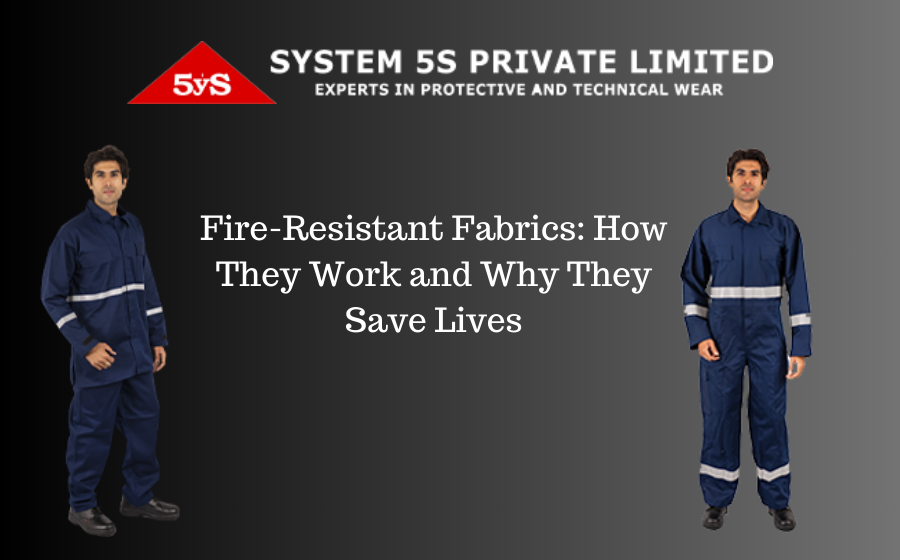
At System5S, our premium Flame Retardant (FR) workwear combines superior protection, comfort, and durability to meet the highest safety standards. Made with high-performance fabrics, our workwear offers exceptional heat resistance and flame protection while ensuring maximum comfort through moisture-wicking linings and ventilation panels. Certified to meet international standards like EN ISO 11612:2015 and EN ISO 11611:2015, our FR suits are perfect for oil and gas, foundries, and smelting industries, offering reliable protection against extreme heat and molten splashes. With innovative designs featuring ergonomic patterns and reinforced stitching, System5S FR suits deliver unmatched functionality and mobility.

Stay safe and equipped with System5S Flame Retardant Workwear—your ultimate defense against fire hazards. Visit our website to explore our collection and find the perfect solution for your safety needs.

Cold Weather Safety: Choosing the Right Gear for Extreme Environments

As temperatures drop and the challenges of extreme environments arise, choosing the right protective gear becomes essential. Whether you’re working in cold storage facilities, braving winter storms, or handling freezing outdoor conditions, the right clothing and equipment can mean the difference between comfort and danger. Here’s a comprehensive look at selecting the best gear for cold weather safety.

Understanding Cold Stress and Its Risks

Cold stress occurs when the body loses heat faster than it can produce it, leading to serious health risks such as hypothermia, frostbite, and chilblains. Workers in cold environments, especially those in cold storage or exposed to prolonged outdoor conditions, face heightened risks. Staying protected begins with understanding how to keep your body insulated and warm.

Layering for Optimal Warmth and Protection

The key to staying warm in extreme cold lies in layering. Each layer serves a specific purpose:

  • Base Layer: Choose moisture-wicking fabrics to keep sweat off your skin. Materials like merino wool or synthetic blends work best as they retain warmth even when damp.
  • Insulating Layer: This middle layer traps body heat. Fleece, down, or synthetic insulations provide excellent warmth without adding excessive bulk.
  • Outer Layer: Your outermost layer should be windproof, waterproof, and breathable to protect against the elements while allowing sweat to escape. Look for gear with sealed seams and durable materials for added resilience.

The Importance of Cold Room Suits

For those working in cold storage or extreme freezing conditions, cold room suits are indispensable. Designed specifically to withstand adverse cool climatic environments, these suits provide comfort and robust protection.

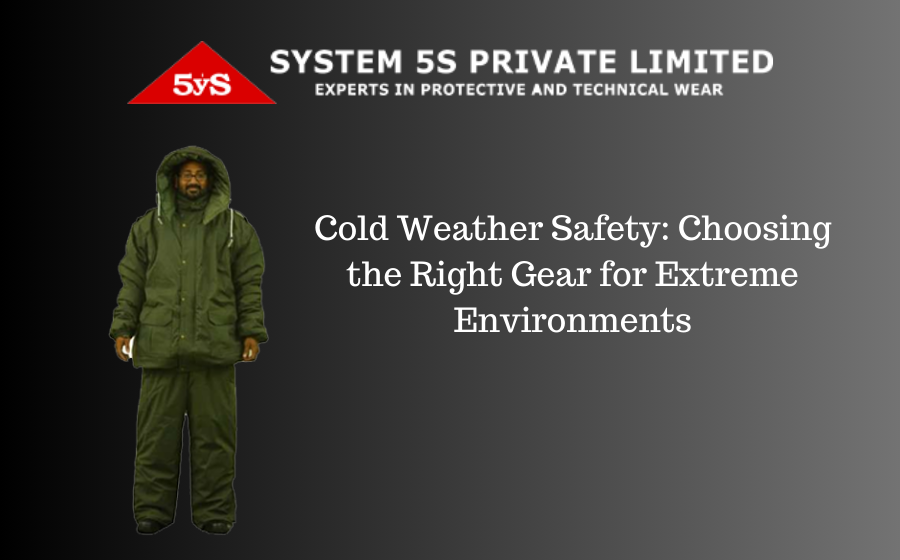
Cold Room Suits Heem Kavach is the ultimate choice for individuals facing challenging freezing conditions. These suits are engineered to meet the demands of cold storage workers, ensuring safety, mobility, and comfort. Featuring an advanced multi-layered design, Heem Kavach suits protect against drastic temperatures while allowing for flexibility and ease of movement.

The outer layer is crafted from a PES and Polyamide blend impregnated with a durable membrane, ensuring water resistance and longevity. The middle layer consists of micro poly fill quilted with water-repellent non-woven fabric, offering exceptional insulation. The final layer, made of water-repellent PES fabric with UV-resistant impregnation, adds a crucial barrier against the elements.

Additional thoughtful design elements include a double-zipper system backed by a storm flap, adjustable cuffs and draw cords, and a detachable, adjustable hood for enhanced adaptability. The trousers, secured with elastic suspenders and equipped with Velcro closures, provide a snug fit for maximum comfort. These suits are lightweight yet offer uncompromising protection, making them ideal for environments such as walk-in coolers, dairy processing units, and floral processing facilities.

With a temperature-bearing capacity suited to the harshest winters, Heem Kavach cold room suits exemplify innovation and reliability, giving workers the confidence to perform even in the most adverse conditions.

Enhancing Visibility and Mobility

Winter work often involves reduced visibility and slippery surfaces. Cold room suits like Heem Kavach are equipped with reflective elements for better visibility in low-light conditions. Anti-slip soles and lightweight designs improve mobility, ensuring safety in demanding environments.

Durability and Maintenance

Investing in high-quality cold room suits pays off in the long run. Durable materials withstand wear and tear, while proper maintenance—like cleaning and drying after use—ensures longevity and effectiveness.

Final Thoughts

Working in cold environments requires more than grit—it demands preparation and the right protective gear. Cold Room Suits Heem Kavach by System5S exemplify the perfect blend of protection, comfort, and adaptability. Designed for the harshest conditions, these suits ensure you stay safe while maintaining productivity.

Stay warm. Stay safe. And remember, the right gear is your first line of defense in extreme environments.

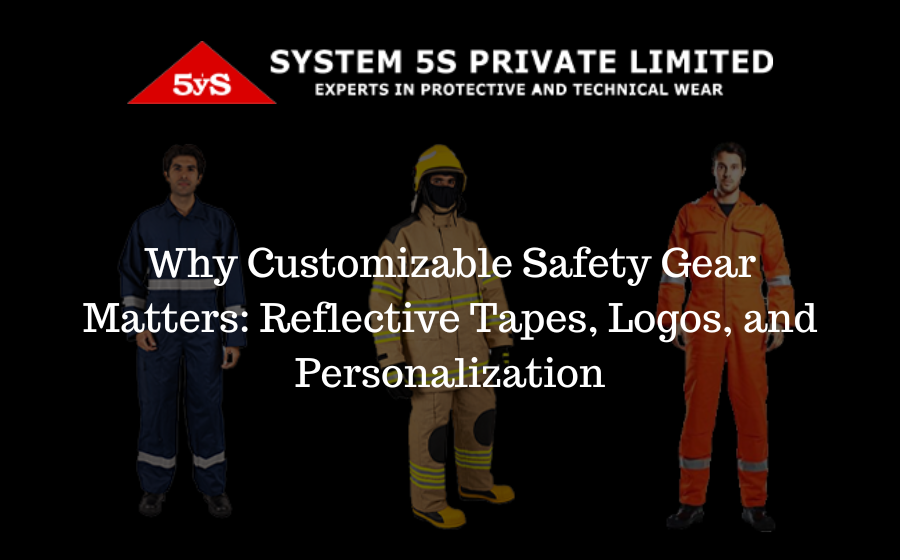
Why Customizable Safety Gear Matters: Reflective Tapes, Logos, and Personalization

Safety gear is an essential component of workplace safety, protecting employees in industries where risks are high. From construction sites to manufacturing plants, and from firefighting operations to utilities, personal protective equipment (PPE) forms the first line of defense against hazards. But beyond offering protection, safety gear can also be tailored to meet the unique needs of specific industries while promoting brand identity. Customizable safety gear, featuring elements like reflective tapes, logos, and other personalizations, is more than just functional; it’s a strategic investment in safety, compliance, and team cohesion.

The Importance of Customizable Safety Gear

Customizing safety gear allows businesses to address specific operational challenges, adhere to industry standards, and enhance worker visibility and identification. Here’s why it matters:

  1. Industry-Specific Functionality Different industries have unique safety requirements, and one-size-fits-all solutions rarely suffice. For instance:
  • Construction: Workers often operate in low-visibility environments or alongside heavy machinery. High-visibility clothing with reflective tapes ensures they remain visible, reducing the risk of accidents.
  • Oil and Gas: Flame-retardant clothing is critical in this sector, where exposure to fire and hazardous chemicals is a daily concern. Personalizing gear with reinforced areas or specific materials can enhance durability.
  • Utilities and Maintenance: Electricians and utility workers require arc-rated gear to protect against electrical flashes. Adding reflective strips and logos improves visibility and identification.
  1. Enhanced Safety Through Visibility Reflective tapes on safety gear are crucial in environments where visibility is a concern, such as night shifts, foggy conditions, or dimly lit spaces. Customizing the placement, width, and pattern of reflective materials ensures optimal visibility for specific roles and tasks.
  2. Brand Identity and Professionalism Adding company logos and branding to safety gear not only promotes brand recognition but also fosters a sense of unity among employees. For businesses interacting with the public, branded safety gear projects professionalism and reinforces trust.

Key Benefits of Customizable Safety Gear

  1. Improved Compliance with Standards Many industries are governed by stringent safety regulations. Customizing gear to meet specific standards ensures compliance and protects organizations from potential penalties.
  2. Increased Worker Confidence Employees equipped with gear tailored to their roles and risks feel more secure and valued. This boosts morale and productivity while reducing the likelihood of accidents.
  3. Streamlined Team Identification In high-risk environments like emergency response or large-scale construction projects, customized safety gear with color-coded logos or names helps in quickly identifying team members, supervisors, or departments.

Examples of Customization by Industry

  1. Firefighting Teams Firefighting turnout gear can be customized with reflective tapes placed strategically for visibility in smoke-filled environments. Logos and station identifiers help differentiate teams during mutual aid responses.
  2. Construction Companies Construction workers benefit from high-visibility jackets with reflective tapes and embroidered company logos. These additions ensure compliance with safety standards while enhancing the company’s professional image.
  3. Healthcare and Sanitation Workers For workers in sanitation or healthcare, protective overalls can be customized with names or color-coded trims to designate departments, reducing confusion in high-pressure situations.
  4. Mining and Heavy Industries Miners often operate in dark and confined spaces. Reflective safety gear tailored with additional padding or reinforcements ensures durability and protection while enhancing visibility.

How SYSTEM 5S Supports Customization

At SYSTEM 5S, we understand the diverse needs of industries requiring safety gear. Our customizable solutions include:

  • High-quality reflective tapes designed for various environments.
  • Durable embroidery and printing for logos and branding.
  • Tailored fittings and reinforcements for enhanced comfort and protection.

We work closely with businesses to ensure their safety gear not only meets regulatory requirements but also aligns with their operational needs and branding goals. Whether it’s outfitting a construction crew or equipping emergency responders, our expertise ensures your team is safe, visible, and cohesive.

Conclusion

Customizable safety gear goes beyond basic protection, offering industry-specific solutions that enhance safety, compliance, and branding. Reflective tapes improve visibility, logos foster team identity, and personalized designs meet unique workplace challenges. Investing in tailored PPE ensures that your workforce is equipped to handle risks confidently while projecting professionalism.

At SYSTEM 5S, we’re committed to delivering safety gear that’s as unique as your industry. Contact us today to explore how our customizable solutions can elevate your workplace safety and efficiency.

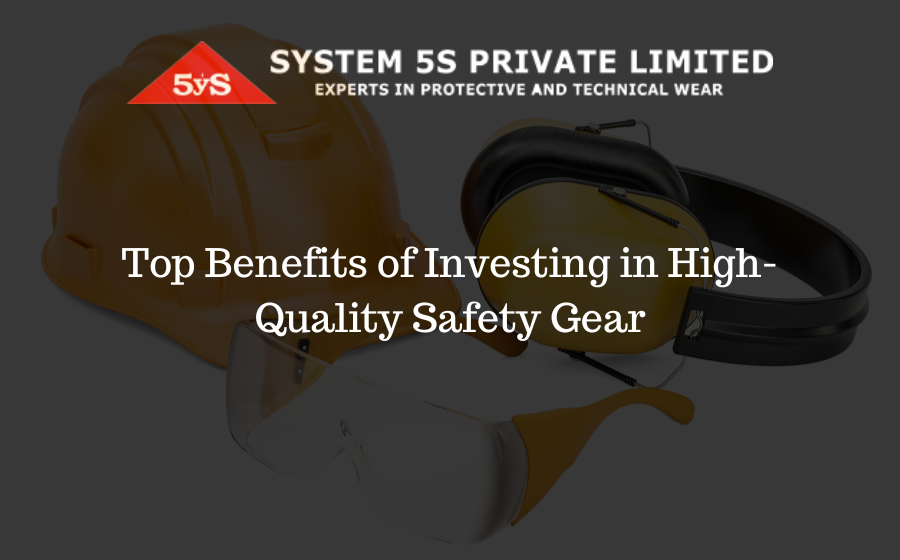
Top Benefits of Investing in High-Quality Safety Gear

When it comes to workplace safety, there’s no room for compromise. Whether you’re a firefighter, a welder, or someone working with electrical equipment or in hazardous environments, the right safety gear can make all the difference. Investing in high-quality safety gear not only enhances the safety of workers but also improves overall performance, comfort, and long-term health. At System5S, we believe that premium safety gear is an essential investment for every workplace. Here’s why:

Enhanced Protection from Hazards

High-quality safety gear is designed to provide superior protection against a wide range of workplace hazards. From extreme heat and fire to electrical burns, chemicals, or heavy machinery, premium safety gear is built to withstand the toughest conditions.

For instance firefighters rely on advanced fire-resistant suits, gloves, and boots made from durable, flame-retardant materials. These suits not only protect them from intense heat and flames but also have reflective materials for visibility in low-light conditions. The gear is crafted to withstand multiple exposures to heat without compromising its protective qualities.

Improved Comfort for Long Hours

Comfort plays a crucial role in ensuring workers are able to perform at their best while remaining safe. Premium safety gear is designed not only to protect but also to provide comfort for extended use, reducing the likelihood of fatigue and discomfort.

Welders and electricians often spend long hours in challenging conditions. High-quality gloves, breathable clothing, and ergonomic protective footwear are designed to reduce discomfort during long shifts. These premium materials also wick away moisture, keeping the wearer cool and dry, which is especially important when working in high-heat environments.

Increased Durability and Longevity

Investing in high-quality safety gear means investing in gear that will stand the test of time. Cheaper options may provide short-term protection but often fail to maintain their integrity in high-risk situations, leading to potential safety breaches.

For those in construction or heavy machinery work, quality safety boots and helmets are vital. A high-quality hard hat made from reinforced materials offers better protection against falling objects, and safety boots with steel-toe protection can prevent injury from heavy machinery or sharp tools.

Regulatory Compliance and Peace of Mind

Certain industries, especially those dealing with hazardous materials, chemicals, or high-risk activities like welding and electrical work, have strict safety regulations. Investing in high-quality safety gear ensures compliance with industry standards, protecting not just workers but also companies from legal liabilities.

In firefighting, failure to adhere to safety gear standards can result in serious injury or even fatalities. Premium fire-resistant clothing and helmets that meet NFPA (National Fire Protection Association) standards give both firefighters and their employers peace of mind, knowing that they are following the strictest safety protocols.

Boosted Worker Morale and Confidence

When workers feel confident that they are adequately protected, it can significantly improve their morale and performance. Knowing they are equipped with the best possible safety gear gives employees the confidence to perform their jobs to the best of their ability, knowing their safety is prioritized.

Welders who use premium welding gloves and protective eyewear are able to focus entirely on their craft, knowing they are shielded from injuries. This confidence improves their precision, making them more productive and reducing the likelihood of mistakes due to concern over safety.

Conclusion

Investing in high-quality safety gear is essential for protecting workers across industries like firefighting, welding, electrical work, and more. From enhancing protection against serious hazards to improving comfort and compliance with safety regulations, premium safety gear is a critical investment for both workers and employers. At System5S, we are committed to providing safety gear that not only meets but exceeds industry standards, ensuring that every worker goes home safe at the end of the day.

When it comes to workplace safety, there’s no substitute for quality. Choose System5S for the best in premium safety gear – because your safety is our top priority.

Celebrating Milestones and Looking Ahead to 2025!

As we bid farewell to 2024, we at System5S reflect on a year that has been nothing short of transformative. This year, we pushed boundaries, expanded our horizons, and reaffirmed our commitment to innovation, quality, and safety. Join us as we take a detailed look at our journey through 2024 and the milestones that have defined it.

Key Highlights of 2024:

1. Expanding Horizons

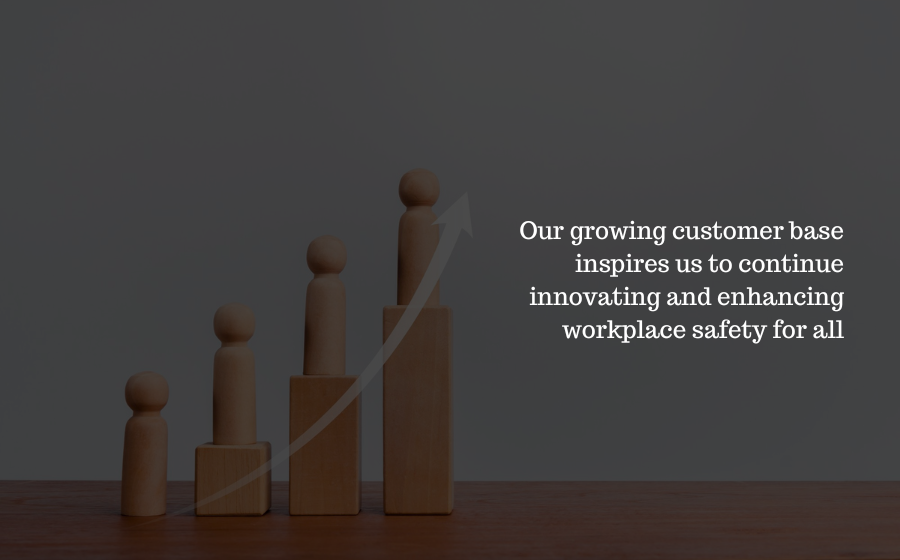
This year, we experienced exponential growth, doubling our customer base. This achievement is a testament to the trust our customers place in us and our relentless efforts to meet their needs with superior safety solutions. It’s not just about numbers but about forging lasting partnerships and delivering value across industries. Our growing customer base inspires us to continue innovating and enhancing workplace safety for all.

2. Showcasing Excellence on Prestigious Platforms

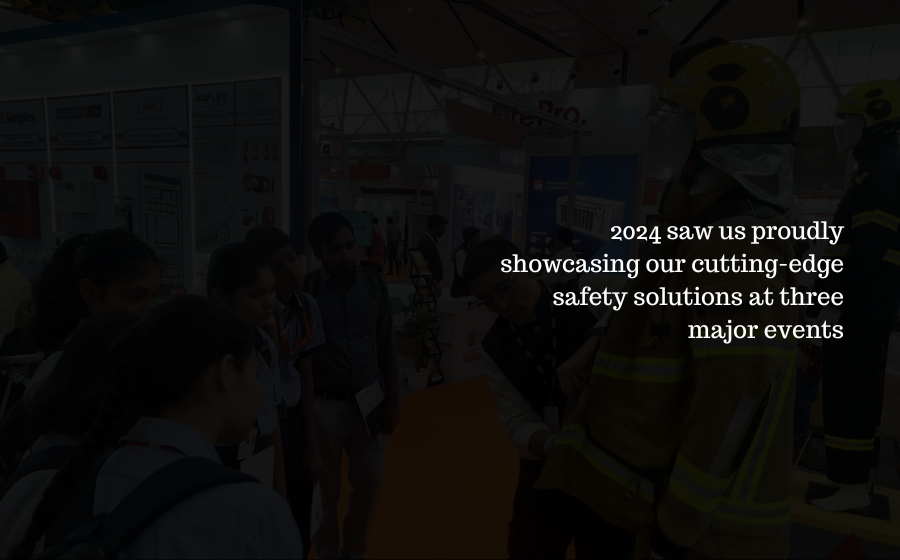
2024 saw us proudly showcasing our cutting-edge safety solutions at three major events:

  • OSH, Bangalore 2024: This platform allowed us to connect with industry leaders, demonstrate our latest innovations, and gain valuable insights into emerging safety trends.
  • Fire India, Delhi 2024: At this premier event, we highlighted our advanced protective gear and engaged with a diverse audience, reinforcing our position as a leader in the safety gear industry.
  • Intersec Dubai 2024: Participated in the Intersec Dubai 2024 exhibition to showcase our products to International clients.

All the exhibitions were incredible opportunities to share our vision, receive valuable feedback, and build stronger relationships within the safety community.

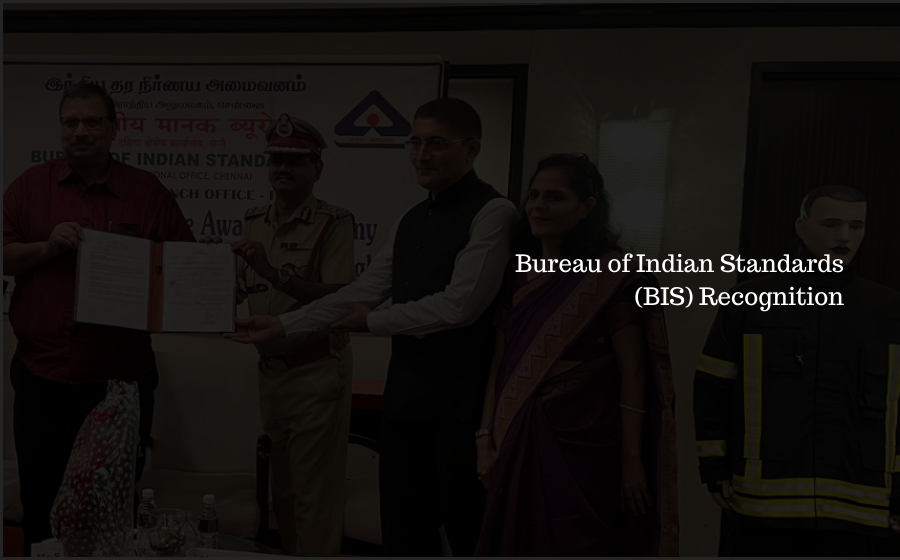
3. Bureau of Indian Standards (BIS) Recognition

We were honoured with not just one, but two significant recognitions by the Bureau of Indian Standards (BIS):

  • In August 2024, we received our third All India First Licence for Protective Clothing for Welding & Allied Industries under IS 16655:2017. This achievement underscores our dedication to meeting and exceeding industry standards.

On World Standards Day 2024 (October), BIS acknowledged our pioneering efforts as the first recipient of the All India license for Protective Clothing for Use in Welding and Allied Processes under IS 16655:2017. This recognition highlights our role in setting benchmarks for safety and quality in the textile and protective gear sectors.

4. Sustained Growth and Business Excellence

System5S achieved year-on-year sustainable business growth in 2024. This steady progress reflects our strategic vision and adaptability in a dynamic market. Our success stems from an unwavering focus on customer satisfaction, operational excellence, and a commitment to delivering products that meet the highest standards of quality and safety.

5. Quality Assurance at a Global Level

Completing the EU Quality Assessment Module D Surveillance Audit was a major milestone for us this year. This achievement reinforces our dedication to adhering to global quality standards, ensuring that our products not only meet but exceed expectations in safety and performance. It demonstrates our commitment to remaining a trusted partner for customers worldwide.

6. Introducing Groundbreaking Products

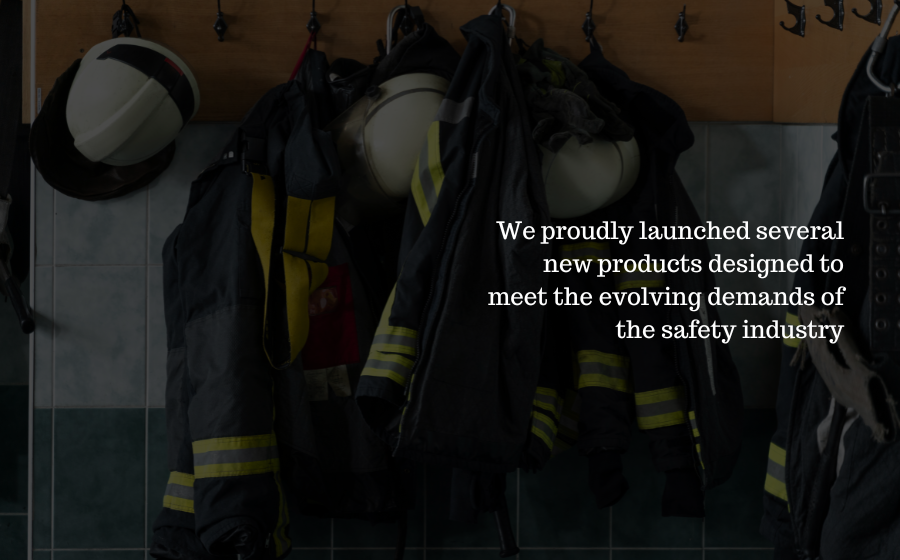
Innovation remained at the heart of our operations in 2024. We proudly launched several new products designed to meet the evolving demands of the safety industry:

  • Lightweight Structural Fire Fighting Suits: These suits, meeting multi-norm standards, combine superior protection with unparalleled comfort.
  • High-Performance Multi-Layer Aluminized Suits: Designed for optimal protection, these lightweight suits cater to professionals working in high-heat environments.
  • Fire Fighting Gloves: With exceptional dexterity and adherence to multi-norm standards, these gloves provide both safety and functionality.
  • Arc Flash Suits: Certified to meet international standards like IEC, ASTM, and EN, these suits are a testament to our commitment to electrical safety.

Each product launch has been driven by our focus on addressing real-world challenges and enhancing user safety, comfort, and performance.

Reflecting on the Year

2024 has been a year of learning, growth, and achievement. From gaining international recognition to launching innovative products, every milestone reflects the hard work and dedication of our team. Our journey has been enriched by the feedback, trust, and support of our customers and stakeholders. Each achievement has motivated us to push the boundaries of what’s possible in the world of safety gear.

Looking Ahead to 2025

As we step into 2025, we carry forward the momentum and lessons from 2024. Our vision remains clear: to innovate, lead, and set new standards in safety and protective gear. With an unwavering commitment to quality, we aim to strengthen our partnerships, expand our product offerings, and continue making workplaces safer across the globe.

Here’s to another year of innovation, growth, and success. We extend our heartfelt gratitude to our customers, partners, and team members for being an integral part of our journey. Together, we look forward to achieving even greater milestones in the year ahead.

Wishing you a safe, prosperous, and successful New Year 2025!

Common Mistakes Workers Make When Using Safety Gear And How to Avoid Them

Safety gear is essential in protecting workers across various industries, from construction sites to welding workshops. However, despite its critical role in preventing injuries, workers often make common mistakes when using safety gear that can compromise its effectiveness. In this blog, we’ll discuss these mistakes, the consequences they can lead to, and how to avoid them.

1. Wearing Improperly sized gear

One of the most common mistakes is using safety gear that doesn’t fit properly. Whether it’s a helmet, gloves, or boots, ill-fitting gear can reduce comfort and protection. For example, a helmet that’s too loose may fall off during an emergency, while tight gloves can restrict movement and reduce dexterity.

How to Avoid It: Always ensure your safety gear fits snugly and comfortably. Many safety gear providers offer adjustable options to accommodate different body types, so take advantage of these features. Regularly check and adjust your gear for optimal fit.

2. Neglecting Regular Maintenance

Over time, safety gear can wear out or become damaged due to constant use. Failing to maintain and inspect gear regularly can result in undetected weaknesses, such as cracks in helmets or frayed straps in harnesses.

How to Avoid It: Perform regular maintenance checks on all safety gear. Follow manufacturer guidelines for cleaning and storing equipment, and replace worn or damaged items immediately.

3. Using Gear for Unintended Purposes

Safety gear is designed for specific tasks, and using it for something it wasn’t intended for can reduce its effectiveness. For instance, using welding gloves for construction work may not provide the level of protection needed for that job.

How to Avoid It: Always use safety gear as per the manufacturer’s recommendations. Be sure the gear is designed for the specific hazard you’re facing.

4. Ignoring Manufacturer Instructions

Each piece of safety equipment comes with a set of instructions for proper use. Neglecting to follow these instructions can lead to improper protection, reducing the gear’s effectiveness in an emergency.

How to Avoid It: Always read and follow the manufacturer’s instructions for each piece of safety gear, and ensure that all employees are trained in proper usage.

5. Using Worn Out or Expired Gear

Over time, even the best safety gear can lose its protective properties. For example, flame-resistant clothing can deteriorate after multiple washes, or a hard hat may lose its shock absorption capabilities.

How to Avoid It: Regularly replace worn-out or expired gear. Check for expiration dates or signs of wear and tear, and err on the side of caution by replacing safety equipment as needed.

6. Improperly Storing Safety Gear

Storing safety gear improperly can lead to damage and reduced performance. For example, leaving protective gloves in direct sunlight can cause the material to degrade, while storing helmets in damp conditions can lead to mold growth.

How to Avoid It: Store all safety equipment in a dry, cool place away from direct sunlight or extreme temperatures. Follow specific storage guidelines to maintain the integrity of the gear.

7. Failing to Wear Gear Consistently

Some workers may skip wearing their safety gear due to discomfort or a perceived low-risk environment. However, even a brief lapse in wearing the appropriate protection can lead to injury.

How to Avoid It: Develop a culture of safety where all employees are encouraged to wear safety gear consistently. Make sure that gear is comfortable and accessible to encourage its regular use.

8. Not Considering Environmental Conditions

Different work environments require different types of safety gear. For example, working in hot conditions may require lighter clothing, while cold conditions may require insulated gear. Failing to consider environmental factors can make safety gear less effective.

How to Avoid It: Assess the work environment before selecting safety gear. Make sure the gear is appropriate for the temperature, humidity, or other environmental factors that may affect performance.

9. Relying on Single Purpose Gear for Multiple Hazards

Some workers may rely on one piece of safety gear to protect them from multiple hazards, such as using the same gloves for welding and chemical handling. This can expose workers to unaddressed risks.

How to Avoid It: Use specialized safety gear for each task or hazard. For instance, wear fire-resistant gloves for welding and chemical-resistant gloves for handling hazardous materials.

10. Not Getting Proper Training

Even the best safety gear is useless if workers don’t know how to use it correctly. Without proper training, employees may not fully understand how to wear or adjust their gear for maximum protection.

How to Avoid It: Provide regular training on how to properly use, adjust, and maintain safety gear. Ensure that all workers understand the importance of safety gear and are familiar with best practices.

Conclusion:

Safety gear is an essential part of any workplace safety program. Regular maintenance, including cleaning, repairs, and inspections, is critical to ensuring the gear performs optimally and remains compliant with safety standards. By being aware of common mistakes like improper fitting, neglecting maintenance, or misusing equipment, workers can significantly reduce the risk of injury. Proper storage, routine upkeep, and selecting the right gear for each task are key to ensuring maximum protection. At System 5S, we provide high-quality safety gear and comprehensive maintenance services to keep your team safe and prepared.

Stay safe, stay protected!

Prolonging the Life of Your PPE: Essential Maintenance Tips for Safety Gear

Personal Protective Equipment (PPE) is vital in ensuring worker safety across industries. Gear like Fire Fighting Turnout Suits, Flame Retardant Workwear, and Electrical Arc Flash Suits require proper maintenance to stay effective. Neglecting care can compromise protection, increase costs, and even risk lives. Regular cleaning, inspections, and proper storage are critical to extending the lifespan of PPE.

The Importance of Regular Cleaning and Washing

Cleaning PPE is crucial to remove sweat, dirt, and hazardous residues that degrade its protective properties. Fire Fighting Suits need thorough washing to maintain fire resistance, while Arc Flash Suits require cleaning to eliminate conductive particles. Molten Metal Protective Clothing benefits from removing splashes and residues that compromise heat resistance. SYSTEM 5S uses industry-approved methods to clean technical garments, eliminating bacteria and fungi while preserving safety features. This ensures garments remain hygienic, durable, and ready for reuse in even the toughest conditions.

Inspecting PPE for Damage and Wear

Regular inspection identifies wear and tear like broken zippers, loose stitching, or thinning fabric that compromises protection. Damage to Arc Flash Suits or Fire Fighting Gear can expose workers to serious risks, making early detection essential. SYSTEM 5S addresses such issues through professional repairs, restoring safety and functionality to garments. Our services also include replacing components like Velcro, buttons, and reflective tapes. Frequent inspections combined with reliable repairs help extend the lifespan of your PPE while maintaining its protective integrity.

Proper Storage to Prevent Degradation

Storing PPE correctly is key to preserving its materials and ensuring consistent protection. Garments should be stored in cool, dry places away from sunlight, moisture, and chemicals that degrade fabrics. Properly folded or hung items prevent unnecessary damage to reflective tapes and moisture barriers. SYSTEM 5S simplifies this process with its rental services, which provide freshly cleaned and maintained PPE delivered directly to workplaces. This not only eliminates storage concerns but also ensures workers have access to reliable, ready-to-use gear at all times.

Knowing When to Replace PPE

Even with proper care, PPE has a finite lifespan, and timely replacement is crucial for ensuring safety. Signs like worn thermal liners, compromised coatings, or damaged fabrics indicate the need for replacement. For Fire Fighting Suits, replacing damaged moisture barriers is essential to maintain fire protection. SYSTEM 5S assists industries in monitoring the condition of their PPE, offering expert advice on when replacement is necessary. This ensures workers are never left vulnerable due to worn-out equipment, helping industries remain compliant with safety standards.

How SYSTEM 5S Washcare Maintenance Services Help

SYSTEM 5S offers a full range of services designed to keep PPE in peak condition, including professional cleaning, thorough repairs, and reliable rental options. Their Washcare Maintenance Services eliminate harmful bacteria, restore damaged components, and maintain garment durability. With tailored solutions, SYSTEM 5S helps businesses save time, reduce costs, and ensure their safety gear always meets occupational safety requirements. By extending the life of PPE and ensuring it remains hygienic and functional, SYSTEM 5S enhances worker safety and comfort.

Conclusion

Regular maintenance, proper storage, and timely replacement are essential for ensuring PPE remains effective and safe. SYSTEM 5S’s Washcare Maintenance Services offer industries a reliable way to clean, repair, and monitor their safety gear while extending its lifespan. From eliminating bacteria to restoring damaged garments, SYSTEM 5S helps businesses maintain compliance and protect their workforce. Contact SYSTEM 5S today to ensure your PPE is always ready to perform under the toughest conditions.

Choosing the Right Protective Gear for High-Risk Jobs: A Guide to Fire-Fighting Turnout Gear and Flame-Retardant Workwear

In high-risk industries like firefighting, oil and gas, metal processing, and chemical handling, equipping workers with specialised protective clothing is essential to their safety. Whether the challenge is extreme heat, fire, or hazardous chemicals, it’s crucial to choose the right gear for the job. This guide will highlight essential features to look for in fire-fighting turnout gear and flame-retardant workwear, showcasing System5S’s advanced offerings as examples of reliable, industry-compliant solutions.

Key Features to Look for in Fire-Fighting Turnout Gear

Fire-fighting turnout gear is designed to withstand high temperatures, flames, and smoke. The following considerations are essential for choosing suitable protection in fire and rescue operations.

  1. Flame Resistance and Durability When selecting turnout gear, look for materials with proven heat resistance. The Protecsafe Model-1 from System5S, for instance, is crafted from Nomex® IIIA, providing reliable flame resistance and durability. This material endures intense heat and flame while offering flexibility, making it ideal for demanding fire and rescue operations.
  2. Moisture and Thermal Barriers Firefighting gear must keep wearers dry and insulated from extreme temperatures. The Protecsafe Model-1 features a PTFE membrane moisture barrier, allowing sweat to escape while blocking external moisture. It also includes an FR non-woven Nomex® and Kevlar® quilted thermal barrier, providing insulation against high heat.
  3. Enhanced Durability and Functional Design Reliable closure systems and functional design elements ensure that fire-fighting gear remains secure during intense activity. The Fire Defenc turnout suit, made with PBI Matrix for durability, offers a range of features, including an Anti-Panic zipper for quick removal and reinforced areas at the knees and elbows for increased resilience. It also provides convenient storage options, with pockets for radios and essential tools, and 50 mm reflective trim to enhance visibility in low-light environments.
  4. Certification and Compliance Ensure your fire-fighting gear meets industry standards for safety and performance. Both the Protecsafe Model-1 and Fire Defenc suits from System5S comply with EN 469:2020 and EN 13688:2013 standards, as well as IS 16890:2018. These certifications guarantee that the gear meets rigorous requirements for protection and reliability in fire emergency settings.

Essential Qualities in Flame-Retardant Workwear for Industrial Environments

Flame-retardant workwear is crucial in industries such as manufacturing, metal processing, and oil and gas, where workers face risks from flames and high temperatures. Here are key considerations when selecting flame-retardant clothing.

  1. Inherent Flame Resistance In environments where fire risks are high, gear with inherent flame resistance is vital. System5S’s Emperor flame-retardant workwear offers reliable protection with FR-treated fabrics that self-extinguish when exposed to flames. This makes it suitable for settings requiring consistent, long-lasting flame protection, even after frequent washing.
  2. Comfort and Mobility For workwear used daily, comfort is essential. The Emperor series features a bi-swing back and waist adjustment straps, allowing flexibility and comfort. It’s designed with additional pockets and optional reflective tape for visibility, enhancing utility and ease of movement in high-stress environments.
  3. Specialized Protection for Electric Arc Flash Hazards Certain industries, such as electrical and metal processing, require additional arc flash protection. The E3D3 AFLASH flame-retardant suit from System5S is crafted from Nomex® fibers, which do not melt, burn, or support combustion. This suit complies with standards for arc flash protection, ensuring that workers are protected from intense heat and flame exposure, while offering features such as quick-release zippers for speedy removal and oil-resistant properties.
  4. Compliance with Safety Standards Flame-retardant workwear must adhere to industry standards to ensure effective protection. Both the Emperor and E3D3 AFLASH suits are tested and certified to ISO 11612:2015 and IEC/EN 61482-1-1:2014, meeting the highest standards for protection against flame, heat, and electric arc hazards.

The Importance of Regular Maintenance and Inspection

Once the appropriate gear is selected, regular maintenance is essential to ensure that it remains in optimal condition. Routine inspections and adherence to care instructions can help extend the life of safety apparel. System5S also offers Wash, Care, Repair, and Maintenance (WCRM) services, ensuring that protective gear stays compliant and fully functional.

Conclusion

Providing workers with high-quality, certified fire-fighting turnout gear and flame-retardant workwear is essential in high-risk environments. Advanced products such as Protecsafe Model-1 and Fire Defenc turnout suits, along with Emperor and E3D3 AFLASH flame-retardant workwear from System5S, demonstrate the latest innovations in safety apparel. Investing in reliable gear not only enhances safety but also supports workers in performing their duties confidently, even in the most challenging conditions.