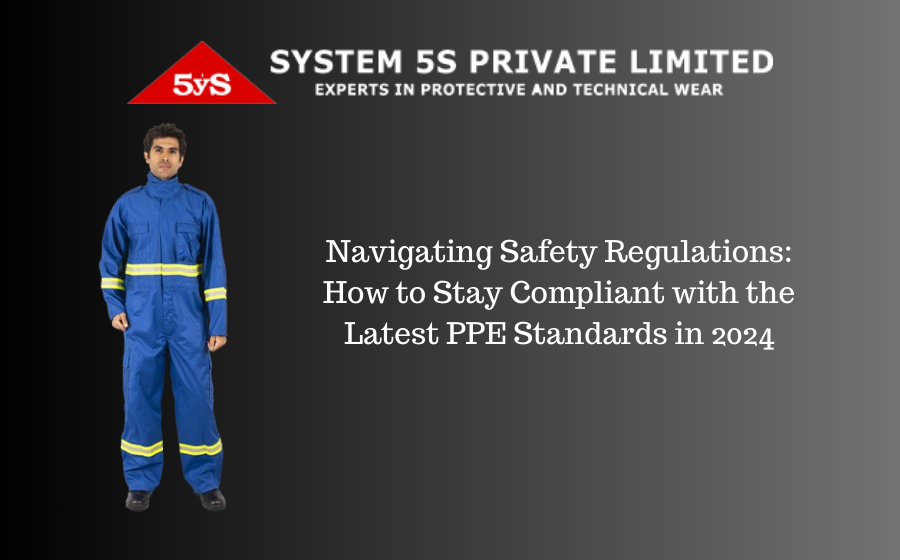
Navigating Safety Regulations: How to Stay Compliant with the Latest PPE Standards in 2024

In industries where safety is a priority, staying up to date with Personal Protective Equipment (PPE) standards is crucial for ensuring the well-being of employees and avoiding legal complications. Throughout 2024, there have been several updates to safety regulations that businesses need to be aware of. Whether you operate in manufacturing, construction, or any other field where hazards are a concern, understanding the latest PPE standards can help you navigate compliance effectively.

Understanding the Latest PPE Standards

Safety regulations around PPE are continually evolving to address new risks and enhance protection. In 2024, regulatory bodies like OSHA (Occupational Safety and Health Administration) and various international organisations have introduced updates that focus on improving safety in workplaces with fire hazards, chemical exposures, and electrical risks. Here’s a brief overview of some critical changes:

  1. Enhanced Standards for Flame-Resistant Clothing: New requirements stress the importance of garments that can withstand prolonged exposure to fire without compromising worker safety. For industries involving welding, smelting, and chemical processing, compliance with these enhanced standards is non-negotiable.
  2. Stricter Regulations on Electrical Arc Flash Protection: Electrical safety remains a significant focus. Updated regulations specify that arc flash suits must now meet more rigorous testing standards, ensuring better protection for workers handling high-voltage equipment.
  3. Chemical-Resistant Gear Requirements: Chemical handling regulations have been updated to include more comprehensive guidelines for gloves, suits, and goggles. These changes aim to reduce skin exposure to harmful substances and prevent injuries.

How System 5S Helps You Stay Compliant

Staying compliant with evolving safety standards can be challenging for many businesses. At System 5S, we understand these hurdles and provide solutions that address common compliance challenges:

  1. Keeping Up with Regulation Updates

Safety standards can change frequently, making it difficult for businesses to stay compliant. Regular updates and training are essential to ensure teams understand new regulations. System 5S offers Safety Wear that is designed to meet the latest standards, including certified Flame Retardant Workwear and Electrical Arc Flash Suits. We keep a close watch on regulatory changes, so you can trust our products to always be compliant. For industries facing fire and electrical hazards, our gear ensures safety and peace of mind.

  1. Choosing the Right Protective Work Wear

Not all safety gear is created equal. Selecting the right equipment that meets the latest standards while ensuring comfort and functionality for employees is a common struggle. Our range of Flame-Resistant Clothing and Arc Flash Suits are rigorously tested to exceed industry requirements. We were the first company in India to receive certifications like the EN 469 for firefighting suits, reflecting our commitment to safety and innovation. Businesses can rely on System 5S to provide top-quality, certified safety gear that balances protection with comfort. Check out our range of safety products to keep your workforce secure and compliant.

  1. Ensuring Proper Use and Maintenance

Even the best equipment can fail if not used or maintained correctly. Regular inspection, proper fitting, and adequate training on usage are necessary to maintain compliance. At System 5S, we support your compliance efforts with comprehensive Washcare and Maintenance Services. Proper cleaning, repair, and inspection extend the life of your safety gear, ensuring consistent performance. Our washcare service helps prevent skin allergies by maintaining hygienic standards, while also repairing any minor damages like zippers, velcro, and stitching. This ensures your safety gear is always in optimal condition, ready for the next use.

  1. Custom Safety Needs

Every workplace has unique safety requirements, and a one-size-fits-all approach often falls short.System 5S offers Customised Safety Gear Solutions to address the specific needs of your business. From tailored safety apparel to specialised protective accessories, we work closely with clients to deliver safety solutions that meet exact requirements. Our custom solutions ensure that your PPE is perfectly suited to the hazards of your industry, providing enhanced safety and comfort. Explore our customised options for flame-resistant clothing, electrical arc flash suits, and more.

  1. Managing Costs and Flexibility

Purchasing safety gear can be a significant expense, especially for small and medium-sized enterprises. Additionally, managing the maintenance and storage of PPE adds to the costs. To provide cost-efficient solutions, System 5S offers Rent and Lease Services for safety gear. Our rental options allow businesses to access high-quality PPE without committing to full ownership, freeing up capital and reducing maintenance concerns. This flexibility means you can have compliant, ready-to-use gear without the added burden of storage and upkeep. For those looking to lease safety equipment, check out our offerings to find a solution that suits your business needs.

Tips for Maintaining Compliance in 2024

  1. Regularly Review Safety Guidelines: Make it a habit to review OSHA or other local safety regulations regularly. Staying informed helps you adapt to new requirements quickly and avoid penalties.
  2. Invest in High-Quality PPE: Opt for equipment that not only meets the minimum safety requirements but exceeds them. This can help improve worker confidence and safety in high-risk situations. System 5S’s range of flame-resistant and arc flash gear is designed to offer the highest level of protection, ensuring compliance and peace of mind.
  3. Schedule Routine Inspections: Regularly check all safety gear for signs of wear and tear, and replace any equipment that no longer meets safety standards. Our in-house testing facilities at System 5S guarantee that every product adheres to strict safety protocols.
  4. Provide Employee Training: Ensure that your employees are trained to use and maintain their PPE properly. Understanding how to wear and care for safety gear correctly is essential for maximum protection.

Why Choose System 5S for Your Personal Protective Workwear?

With over three decades of experience, System 5S is a pioneer in industrial safety gear. As the first company in India to achieve multiple safety certifications, including the EN 469 certification for firefighting suits, we have set the benchmark for excellence in the industry. Our focus on innovation, quality, and customer satisfaction ensures that we deliver products that keep you compliant with the latest standards and safe in the most demanding environments.

Our in house testing facilities, coupled with cutting-edge technology, allow us to rigorously test each product before it reaches you. Whether you need flame-resistant clothing, arc flash suits, or custom safety gear, System 5S has you covered. Be sure to check out our range of protective solutions and find the gear that best suits your business needs.

Conclusion

Navigating the complex world of safety regulations can be challenging, but with the right approach and support, your business can stay compliant and keep your workforce safe. Investing in high-quality, certified PPE from a trusted provider like System 5S ensures you meet regulatory requirements and protect your team effectively.

In 2024, let System 5S help you stay ahead of the curve. Check out our  Flame Retardant Workwear, Fire Fighting Suits, Electrical Arc Flash Suits and other protective solutions designed to meet the latest compliance needs. For more information on how we can tailor safety solutions to your specific requirements, contact us today.

The Future of Workplace Safety: Emerging Trends and Technologies

In today’s fast-evolving industrial landscape, workplace safety has become a top priority across industries. As technology continues to advance at a rapid pace, innovations are transforming the way we protect workers in hazardous environments. From smart personal protective equipment (PPE) to cutting-edge wearable technology, new trends and developments are not only enhancing safety but also improving operational efficiency and regulatory compliance. This blog explores the latest trends and technologies shaping the future of workplace safety and their impact on various industries.

Emerging Trends in Workplace Safety

1. Smart PPE

Smart PPE is revolutionizing workplace safety by integrating sensors, connectivity, and real-time data analysis into traditional protective equipment. These intelligent safety systems can monitor workers’ conditions, detect environmental hazards, and alert both the wearer and supervisors to potential risks.

Key Features:

  • Real-time Monitoring: Sensors embedded in helmets, vests, or gloves can track vital signs such as heart rate, body temperature, and fatigue levels, alerting workers to take breaks or seek medical attention when necessary.
  • Hazard Detection: Smart PPE can detect exposure to hazardous substances like gas leaks, radiation, or extreme temperatures, ensuring timely evacuation or protective measures.
  • Data Analytics: Collected data can be analyzed to identify trends and optimize safety protocols, reducing future risks.

Impact on Safety: By leveraging real-time data, smart PPE enhances situational awareness and helps prevent accidents before they occur, offering a proactive approach to worker safety.

2. Wearable Safety Technology

Wearable safety technology is transforming the way employers monitor and manage workplace safety. These devices, ranging from smartwatches to connected vests, are equipped with advanced sensors and GPS tracking systems that allow employers to monitor worker location, movement, and environmental conditions in real-time.

Key Features:

  • Location Tracking: Wearables can track the real-time location of workers, ensuring that employees in hazardous areas are accounted for at all times.
  • Environmental Monitoring: Sensors embedded in wearables can detect dangerous environmental conditions like elevated noise levels, poor air quality, or excessive vibration, helping workers take preventive actions.
  • Incident Reporting: In case of emergencies, wearables can automatically send distress signals to supervisors, improving response times and ensuring immediate assistance.

Impact on Safety: Wearable technology enables greater visibility and monitoring of workers, ensuring swift action during emergencies and better compliance with safety protocols.

3. Advancements in Material Science

The development of new, innovative materials is driving improvements in PPE, making them more durable, lightweight, and effective in protecting workers from various hazards. Materials such as Nomex® Nano , Nomex® Pbo , Heat resistant + Breathable  membranes are being used to manufacture flame-resistant, chemical-resistant, and waterproof garments, offering enhanced protection against fire, chemical spills, and arc flashes.

Key Innovations:

  • Enhanced Durability: New materials have better resistance to break open owing to continued exposure to heat ad flame,  abrasion, cuts, and punctures, ensuring that PPE lasts longer and offers consistent protection even in extreme conditions.
  • Improved Comfort: Lightweight, breathable fabrics are making PPE more comfortable to wear, encouraging greater compliance among workers and reducing the likelihood of heat stress or fatigue.
  • Environmental Sustainability: Material science is also focusing on sustainability, with the development of eco-friendly, recyclable materials that reduce the environmental footprint of PPE manufacturing.

Impact on Safety: By integrating advanced materials into protective clothing, workers are better protected from various workplace hazards, while also benefiting from improved comfort and sustainability.

4. Automation and AI for Safety Monitoring

Automation and artificial intelligence (AI) are being integrated into safety protocols to enhance risk assessment, incident response, and worker training. AI-powered systems can analyze vast amounts of data from sensors, cameras, and wearables to identify patterns, predict potential hazards, and trigger automatic responses.

Key Features:

  • Predictive Analytics: AI algorithms can identify unsafe behavior, equipment malfunctions, or environmental hazards before they lead to accidents, allowing for preventive measures to be implemented.
  • Safety Inspections: Automated drones and robots are being used to conduct safety inspections in hazardous or hard-to-reach areas, minimizing human exposure to dangerous environments.
  • Virtual Reality (VR) Training: VR simulations are being used to train workers in a safe, controlled environment, allowing them to experience real-world hazards and learn how to respond effectively without being exposed to danger.

Impact on Safety: Automation and AI offer a more proactive approach to workplace safety, reducing the need for manual interventions and improving the accuracy of risk assessments and incident reporting.

How These Trends Are Shaping the Future of Workplace Safety

1. Increased Worker Safety and Productivity

The integration of smart technology and advanced materials into workplace safety protocols is not only protecting workers more effectively but also enhancing their productivity. By ensuring that workers are well-protected and comfortable, these innovations reduce the likelihood of accidents and injuries, leading to fewer work interruptions and higher efficiency.

2. Improved Regulatory Compliance

As workplace safety standards evolve, regulatory bodies are increasingly focusing on the use of advanced technologies to meet compliance requirements. The data collected from wearables, smart PPE, and automated systems provide employers with detailed reports, making it easier to adhere to safety regulations and avoid costly penalties.

3. Enhanced Risk Management

By adopting predictive analytics and AI-powered safety systems, companies can better manage workplace risks, reducing the likelihood of accidents and minimizing liability. Early detection of hazards allows companies to take corrective actions before incidents occur, ensuring a safer work environment for all.

4. Cost Savings

While the initial investment in smart PPE, wearable technology, and advanced materials may seem high, the long-term benefits are significant. Reduced accidents, fewer injuries, and less downtime lead to cost savings in terms of insurance premiums, compensation claims, and lost productivity.

The future of workplace safety is being shaped by innovations in smart PPE, wearable safety technology, advancements in material science, and the integration of AI and automation into safety protocols. As these technologies continue to evolve, they will not only improve worker safety and efficiency but also help businesses stay compliant with regulatory standards and achieve long-term cost savings.

At System 5S, we are committed to staying at the forefront of these advancements, providing cutting-edge protective gear and safety solutions that safeguard workers in the most demanding industries. From PPE to flame-resistant clothing, we are dedicated to delivering products that prioritize safety, durability, and comfort.

If you want to learn more about how System 5S can help protect your workforce with the latest safety technologies, visit our website at www.system5s.com. Let’s work together to create a safer, smarter, and more efficient future for workplace safety.

The Benefits of Regular Safety Audits: Keeping Your Workplace Compliant and Safe

Workplace safety is a non-negotiable aspect of any business, particularly in industries where employees are regularly exposed to hazards such as fire, heavy machinery, chemicals, or extreme temperatures. While safety protocols and protective equipment are crucial, they are not enough to ensure a completely safe working environment. This is where regular safety audits come into play.

A safety audit is a systematic evaluation of workplace practices, equipment, and procedures to ensure they meet regulatory standards and provide a safe environment for workers. Conducted at regular intervals, these audits help identify potential risks and rectify them before they result in accidents, injuries, or even fatalities. In this blog, we will explore the key benefits of regular safety audits and how they contribute to keeping your workplace both compliant and safe.

1. Identifying Hazards Early

One of the primary benefits of regular safety audits is the ability to identify hazards before they become significant risks. Safety audits allow employers to assess all aspects of the workplace—from equipment and machinery to protocols and employee behaviors—to detect any safety gaps or emerging hazards.

Benefits of Early Hazard Identification:

  • Prevents Accidents: Spotting hazards early can prevent accidents such as slips, falls, machinery malfunctions, or exposure to harmful substances.
  • Reduces Injuries: By addressing potential risks before they escalate, businesses can reduce the number and severity of workplace injuries.
  • Improves Efficiency: An accident-free workplace enhances productivity by minimizing downtime caused by incidents.

2. Ensuring Compliance with Safety Regulations

In any industry, staying compliant with safety regulations is essential. Regulatory bodies such as OSHA (Occupational Safety and Health Administration) or BIS (Bureau of Indian Standards) have set guidelines that businesses must adhere to in order to ensure the well-being of their employees. Failing to comply with these regulations can result in costly fines, legal consequences, and, more importantly, compromise worker safety.

How Safety Audits Ensure Compliance:

  • Detailed Assessments: Safety audits evaluate whether your workplace meets local, national, and industry-specific safety standards.
  • Documentation: They help maintain the necessary documentation to prove compliance during inspections by regulatory agencies.
  • Risk Mitigation: Audits can flag areas where your business is falling short, giving you a chance to take corrective actions before inspections occur.

3. Improving Safety Culture

A strong safety culture in the workplace is essential for preventing accidents and fostering a sense of responsibility among employees. Regular safety audits serve as a tool to reinforce safety values and demonstrate that the company prioritizes the well-being of its workers.

Benefits of a Strong Safety Culture:

  • Encourages Safe Practices: When employees see that safety audits are regularly conducted, they are more likely to follow safety protocols and maintain safe work habits.
  • Increases Accountability: Employees become more vigilant about reporting hazards and participating in safety training, knowing that audits will assess their work environment.
  • Promotes Open Communication: Regular audits promote transparency, encouraging employees to voice concerns and suggest safety improvements.

4. Cost Savings

While safety audits may require an investment of time and resources, they ultimately lead to significant cost savings in the long run. Addressing potential hazards before they lead to accidents reduces the costs associated with injuries, lawsuits, workers’ compensation claims, and equipment repair.

Ways Safety Audits Reduce Costs:

  • Fewer Accidents: Regular audits help prevent costly accidents and the subsequent expenses related to medical bills, compensation, and legal fees.
  • Lower Insurance Premiums: Maintaining a safe workplace can lower your insurance premiums, as insurers often offer better rates to companies with a strong safety record.
  • Prolonged Equipment Lifespan: By identifying wear and tear or machinery malfunctions early, audits help extend the life of your equipment, reducing replacement costs.

5. Enhancing Employee Morale and Retention

Employees are more likely to stay with a company that takes their safety seriously. Regular safety audits not only make workers feel valued and protected, but they also demonstrate the company’s commitment to creating a safe and secure working environment.

How Safety Audits Boost Employee Morale:

  • Increased Trust: Employees trust their employer more when they see proactive steps being taken to maintain safety.
  • Job Satisfaction: Workers who feel safe in their environment are more satisfied, leading to higher productivity and lower turnover.
  • Better Retention: A strong safety record can help retain skilled workers, reducing recruitment and training costs for new employees.

6. Enhancing Workplace Safety Protocols

No safety protocol is perfect, and over time, new challenges and hazards can emerge. Regular safety audits provide a framework for reviewing and updating safety policies, ensuring that they remain relevant and effective in the face of changing workplace dynamics.

Benefits of Updated Safety Protocols:

  • Adaptability: Audits help identify outdated or ineffective safety procedures, ensuring that your protocols evolve with new regulations and emerging risks.
  • Continuous Improvement: By regularly assessing safety practices, businesses can continually improve their strategies to mitigate hazards.
  • Customized Solutions: Audits provide insights into specific areas that need improvement, allowing you to tailor your safety protocols to the unique challenges of your workplace.

7. Creating a Record of Due Diligence

In the event of an incident or legal action, having a record of regular safety audits can serve as proof of your company’s due diligence in maintaining a safe work environment. This documentation can protect your business from legal liabilities and demonstrate your commitment to worker safety.

Legal Benefits of Safety Audits:

  • Reduced Liability: In the event of an accident, documented audits can show that your business took proactive measures to minimize risks.
  • Stronger Defense: Safety audits can be used as evidence that you were compliant with regulations, helping defend against legal claims or penalties.

Regular safety audits are an essential tool for maintaining a compliant, safe, and efficient workplace. They offer numerous benefits, from early hazard identification and regulatory compliance to cost savings and improved employee morale. By conducting thorough safety audits at regular intervals, businesses can foster a culture of safety, protect their workforce, and avoid costly accidents and legal issues.

At System 5S, we are committed to providing the highest quality protective equipment and safety solutions to help businesses maintain compliance and ensure the well-being of their employees. Reach out to us today to learn how we can help your organization achieve its safety goals.

Keeping Cleanrooms Sterile: The Technology Behind System 5S Non-Linting Garments

In industries where precision and cleanliness are paramount, such as pharmaceutical manufacturing, biotechnology, and electronics, maintaining a sterile environment is not just important—it’s critical. Contamination control is a constant challenge, as even the smallest particles or microbes can jeopardize the integrity of the product or process. To combat these risks, cleanroom technology has evolved significantly, and one of the most crucial components in contamination control is the apparel worn by personnel.

System 5S, a leader in protective and technical wear, has developed cutting-edge non-linting garments that are designed specifically for use in cleanrooms, offering superior contamination control. In this blog, we will explore the importance of non-linting garments in cleanrooms, the advanced technology behind System 5S garments, and how these products ensure that sterile environments remain uncontaminated.

The Importance of Non-Linting Garments in Cleanrooms

Cleanrooms are environments where airborne particles, contaminants, and pollutants are controlled to specified limits. These spaces are designed to prevent contamination that could compromise the quality of the processes or products being developed or manufactured. Personnel are one of the largest potential sources of contamination in cleanrooms, as human movement can generate particles, skin cells, and bacteria that may settle on surfaces or float in the air.

Non-linting garments are specifically designed to minimize particle shedding and control contamination. These garments ensure that fibers, dust, and other particles from clothing do not become airborne or come into contact with sterile surfaces. By reducing the risk of contamination from the clothing itself, non-linting garments help maintain the integrity of cleanroom environments and protect the processes and products within them.

Technology Behind System 5S Non-Linting Garments

System 5S has leveraged the latest advancements in material science and garment construction to create non-linting garments that offer superior contamination control, comfort, and durability. Here are some of the key technologies incorporated into these garments:

1. Non-Linting Fabrics

The primary feature of System 5S cleanroom garments is their use of non-linting fabrics, which are engineered to prevent fiber shedding. These fabrics are made from tightly woven or non-woven materials that significantly reduce the release of fibers into the cleanroom environment. The fabrics undergo rigorous testing to ensure they meet the stringent particle emission standards required for cleanrooms.

Key Benefits of Non-Linting Fabrics:

  • Minimized Contamination: The fabrics are specifically designed to reduce the release of fibers and particles, ensuring a sterile environment is maintained.
  • Durability: The materials are highly durable, allowing the garments to be used in high-traffic cleanroom environments without losing their non-linting properties.
  • Comfort: Despite their technical capabilities, these fabrics remain lightweight and breathable, ensuring comfort for the wearer over extended periods.

2. Antistatic Properties

Static electricity can attract and hold particles, posing a significant risk in cleanroom environments. System 5S non-linting garments incorporate antistatic materials and coatings that dissipate static charges, preventing the buildup of particles on the surface of the garments.

Key Benefits of Antistatic Properties:

  • Particle Repellence: The garments repel particles that might otherwise cling to them due to static electricity.
  • Enhanced Safety: In addition to contamination control, antistatic properties also help prevent static discharge, which could be dangerous in certain industries, such as electronics manufacturing.

3. Seamless Construction
System 5S non-linting garments feature advanced construction techniques to minimize particle shedding from seams. Traditional sewn seams can be a source of fiber shedding and contamination. To counter this, System 5S uses seam-sealing technology that reduces the risk of particles becoming trapped or released from seams.

Key Benefits of Seamless Construction:

  • Lower Risk of Contamination: Sealed seams reduce the potential for particle shedding compared to traditional stitched seams.
  • Greater Durability: Seam-sealing enhances the garment’s resistance to wear and tear, ensuring a longer service life.
  • Comfort and Fit: Seam-sealing provides a smoother, more ergonomic fit, which enhances wearer comfort during long shifts in cleanroom environments.

4. Wash Care Repair & Maintenance (WCRM)
System 5S’s garments are designed to endure multiple sterilization cycles without compromising their integrity. Additionally, System 5S offers a Wash Care Repair and Maintenance (WCRM) service to ensure that garments remain in optimal condition. This includes routine inspections, repairs, and specialized cleaning techniques that prolong the life of the garments while maintaining their non-linting properties.

Key Benefits of WCRM:

  • Prolonged Garment Life: Regular maintenance ensures that garments stay functional and continue to provide optimal contamination control.
  • Cost-Effective: By maintaining the garments and extending their usability, businesses save on the costs associated with purchasing new apparel.
  • Guaranteed Performance: Ongoing care and repair services ensure that the garments continue to meet stringent cleanroom requirements.

Applications of System 5S Non-Linting Garments

System 5S non-linting garments are designed for a wide range of industries where contamination control is critical, including:

1. Pharmaceutical Manufacturing

Pharmaceutical companies rely on sterile environments to ensure the safety and efficacy of their products. System 5S non-linting garments are essential in reducing contamination risks during drug development, testing, and manufacturing.

2. Biotechnology

In biotech labs, where cellular and molecular processes are highly sensitive to contamination, non-linting garments ensure that experiments and production remain free from unwanted particles and microorganisms.

3. Electronics and Semiconductor Manufacturing

Electronics manufacturing, especially in semiconductor production, requires ultra-clean environments to avoid damaging delicate components. The antistatic properties of System 5S garments are particularly beneficial in these industries, where even minor static charges can lead to significant damage.

The Future of Cleanroom Garments

The cleanroom industry is constantly evolving, and System 5S is at the forefront of this evolution. As technology advances and the need for even stricter contamination control measures grows, System 5S continues to innovate. Future developments in non-linting garments are likely to include even more advanced materials, enhanced comfort features, and further improvements in durability and functionality.

Maintaining a sterile environment in cleanrooms is critical for industries where contamination can lead to catastrophic consequences. System 5S non-linting garments are designed to provide superior protection against particulate contamination, ensuring that cleanrooms remain uncontaminated and that products and personnel are safeguarded. With cutting-edge fabric technologies, antistatic properties, seamless construction, and ongoing maintenance services, System 5S offers a comprehensive solution to cleanroom contamination control.

Trust System 5S for your cleanroom garment needs and experience the peace of mind that comes with knowing your sterile environments are fully protected. For more information, visit System 5S today.

Ensuring Safety in Hazardous Work Environments Best Practices and Essential Equipment

In hazardous work environments, ensuring the safety of workers is paramount. Industries such as construction, manufacturing, oil and gas, and chemical processing are rife with potential risks that can lead to serious injuries or fatalities. Implementing best practices and equipping workers with essential safety gear are critical steps in maintaining a safe workplace. This blog provides a comprehensive guide to best practices for maintaining safety, details the essential safety equipment required for different industries, and offers tips on regular maintenance and inspection of safety gear to ensure optimal performance.

Best Practices for Maintaining Safety in Hazardous Work Environments

1. Conduct Thorough Risk Assessments:

  • Regularly evaluate the work environment to identify potential hazards.
  • Assess the severity and likelihood of each risk to prioritize safety measures.
  • Update risk assessments periodically and after any changes in the work environment.

2. Develop and Implement Safety Protocols:

  • Establish clear safety protocols and procedures for all tasks.
  • Ensure that all employees are trained in these protocols and understand their importance.
  • Regularly review and update safety protocols to reflect new risks or changes in regulations.

3. Provide Comprehensive Safety Training:

  • Conduct regular safety training sessions for all employees.
  • Include training on the correct use of safety equipment, emergency procedures, and hazard recognition.
  • Offer refresher courses to ensure ongoing awareness and compliance.

4. Foster a Safety Culture:

  • Encourage employees to prioritize safety and report any hazards or near misses.
  • Recognize and reward safe behaviors and practices.
  • Promote open communication about safety concerns and improvements.

5. Ensure Proper Signage and Labeling:

  • Use clear and visible signage to indicate hazards, emergency exits, and safety equipment locations.
  • Label hazardous materials and equipment with appropriate warnings and instructions.

Essential Safety Equipment for Different Industries

1. Construction:

  • Hard Hats: Protect against head injuries from falling objects and debris.
  • Safety Glasses/Goggles: Shield eyes from dust, debris, and chemical splashes.
  • High-Visibility Clothing: Ensure workers are easily seen, especially in low-light conditions.
  • Steel-Toed Boots: Provide foot protection against heavy objects and sharp materials.
  • Fall Protection Gear: Include harnesses, lanyards, and anchor points for working at heights.

2. Manufacturing:

  • Hearing Protection: Use earplugs or earmuffs to protect against loud machinery noise.
  • Respirators: Protect against inhaling hazardous dust, fumes, and chemicals.
  • Cut-Resistant Gloves: Prevent injuries from sharp tools and materials.
  • Flame-Retardant Work Wear: Provide protection against fire and heat in high-temperature environments.

3. Oil and Gas:

  • Fire-Resistant Clothing: Ensure protection against flash fires and explosions.
  • Gas Detectors: Monitor and alert workers to the presence of hazardous gases.
  • Chemical-Resistant Gloves: Protect hands from corrosive substances and chemicals.
  • Safety Boots: Provide foot protection and prevent slips on oily or wet surfaces.

4. Chemical Processing:

  • Chemical-Resistant Suits: Offer full-body protection against hazardous chemicals.
  • Face Shields: Protect the face from chemical splashes and impacts.
  • Gloves: Use appropriate gloves based on the specific chemicals handled.
  • Emergency Showers and Eyewash Stations: Provide immediate decontamination in case of exposure.

Tips for Regular Maintenance and Inspection of Safety Gear

1. Conduct Routine Inspections:

  • Regularly inspect safety equipment for signs of wear, damage, or contamination.
  • Replace or repair any damaged equipment immediately.

2. Follow Manufacturer Guidelines:

  • Adhere to the manufacturer’s instructions for the use, maintenance, and storage of safety gear.
  • Ensure that all equipment is serviced and maintained according to recommended schedules.

3. Train Employees on Proper Care:

  • Educate employees on the correct methods for cleaning and maintaining their safety equipment.
  • Emphasize the importance of regular maintenance to ensure optimal performance.

4. Maintain Records:

  • Keep detailed records of all inspections, maintenance, and repairs performed on safety equipment.
  • Use these records to track the lifespan of equipment and plan for replacements.

5. Use Approved Cleaning Methods:

  • Use only approved cleaning agents and methods for each type of safety gear.
  • Avoid using harsh chemicals or abrasive materials that could damage the equipment.
  • Ensure Wash, Care, Repair and Maintenance (WCRM) is done with experienced vendors like System 5S.

Ensuring safety in hazardous work environments requires a comprehensive approach that includes best practices, essential safety equipment, and regular maintenance and inspection. By conducting thorough risk assessments, developing and implementing safety protocols, providing comprehensive training, and fostering a safety culture, employers can significantly reduce the risk of accidents and injuries. Equipping workers with the appropriate safety gear and maintaining it properly is crucial for optimal protection.

At System 5S, we are dedicated to providing high-quality safety equipment designed to meet the rigorous demands of various industries. Trust us to supply the essential safety gear that your workers need to stay safe in hazardous environments. Prioritize safety in your workplace today and create a safer, more productive work environment for everyone.

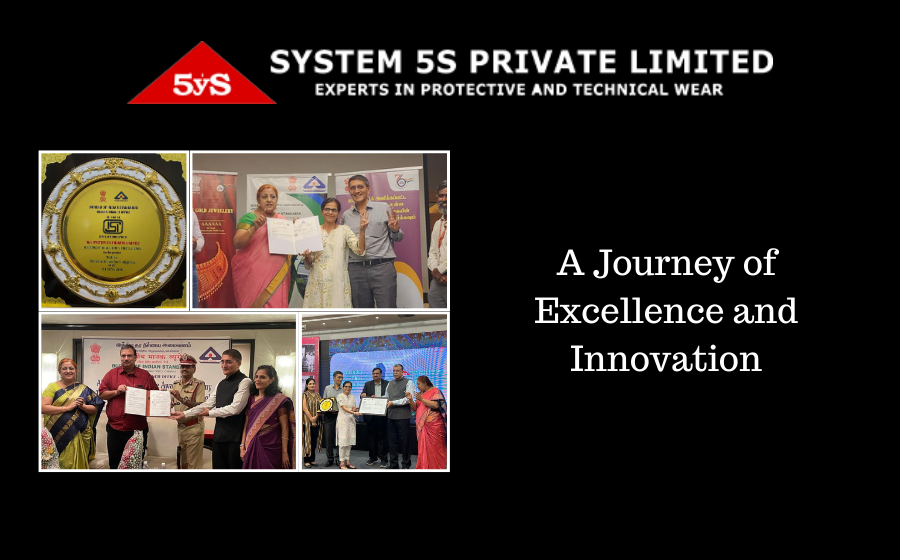
Three Gold Medals for System 5S: A Journey of Excellence and Innovation

On August 8, 2024, at a prestigious BIS function, System 5S was honoured with its third All India First Licence—an achievement akin to winning three Olympic Gold Medals. This significant recognition was awarded for their exceptional product, Protective Clothing for Welding & Allied Industries, under the BIS Standard IS 16655:2017. This is the first license of its kind awarded to any company in India by BIS, marking another milestone in the company’s inspirational journey, which began humbly in Chennai in 2003.

The Award-Winning Product: Protective Clothing for Welding & Allied Industries

The award-winning Protective Clothing for Welding & Allied Industries is a testament to System 5S’s commitment to safety, quality, and innovation. This clothing is designed to provide certified protection for personnel working in industries involving fabrication, thermal cutting, brazing, braze welding, metal spraying, and similar processes. The protective gear ensures that workers are safeguarded against the intense heat, sparks, and molten metal splashes that are inherent to these high-risk environments.

Key Features of the Protective Clothing:

  • Spark and splatters Resistance: The clothing is made from advanced, flame-resistant materials that can withstand high temperatures and provide critical protection against heat and sparks during welding and related activities.
  • Durability: Constructed with robust, high-quality materials, this protective clothing is built to endure the tough conditions of industrial environments, ensuring long-lasting performance.
  • Comfort and Flexibility: Despite its heavy-duty protective capabilities, the clothing is designed for comfort and flexibility, allowing workers to move freely and perform their tasks effectively without being hindered by their gear.
  • Compliance with IS 16655:2017: This protective clothing for Welding & Allied Processes  meets the stringent requirements of the BIS Standard , which outlines the performance standards for protective clothing used in welding and allied industries. Achieving this certification reflects System 5S’s dedication to producing products that adhere to the highest safety standards.

The Beginning of an Inspirational Journey

System 5S started its journey in the Fire & Safety industry in India with a clear mission: to innovate and excel. From its inception in 2003, the company was driven by a commitment to developing high-quality safety products. The development of a fully-fledged firefighting suit that met international standards and its subsequent exhibition at an international show in Germany was the company’s first significant achievement. This marked the beginning of System 5S’s remarkable journey in the industry.

A Trailblazer in Fire Safety and Protection

Over the years, System 5S has achieved several All India First International certifications and now boasts three All India First BIS licenses. Each of these licenses, including the most recent one for Protective Clothing for Welding & Allied Industries, is a testament to the company’s relentless pursuit of excellence in fire safety and protective gear.

The Real Achievement: Trust and Continual Usage

While the certifications and awards are significant, System 5S values the continued trust and habitual usage of their protective and technical workwear by various sectors, including Defence, Oil & Gas, State Fire Brigades, PSUs, and Manufacturing Industries, as its greatest achievement. This trust drives System 5S to push the boundaries of innovation, continually striving to provide solutions that address the real-world challenges faced by end-users.

A Commitment to Innovation and Solution-Oriented Products

The success of System 5S lies in its deep understanding of the problems faced by its users and its commitment to constant innovation. By continually improving its products and solutions, such as the award-winning Protective Clothing for Welding & Allied Industries, System 5S ensures that its customers receive the highest quality protection, whether they are welding, fabricating, or working in any other high-risk industrial environment.

Conclusion

System 5S’s achievement of three All India First Licences, particularly for their Protective Clothing for Welding & Allied Industries, is not just a reflection of their excellence in the Fire & Safety industry but also a testament to the company’s dedication to innovation and customer satisfaction. As the company continues to grow and evolve, it remains focused on delivering cutting-edge solutions that protect those who need it most.

For more information about System 5S and its range of protective gear, visit www.system5s.com

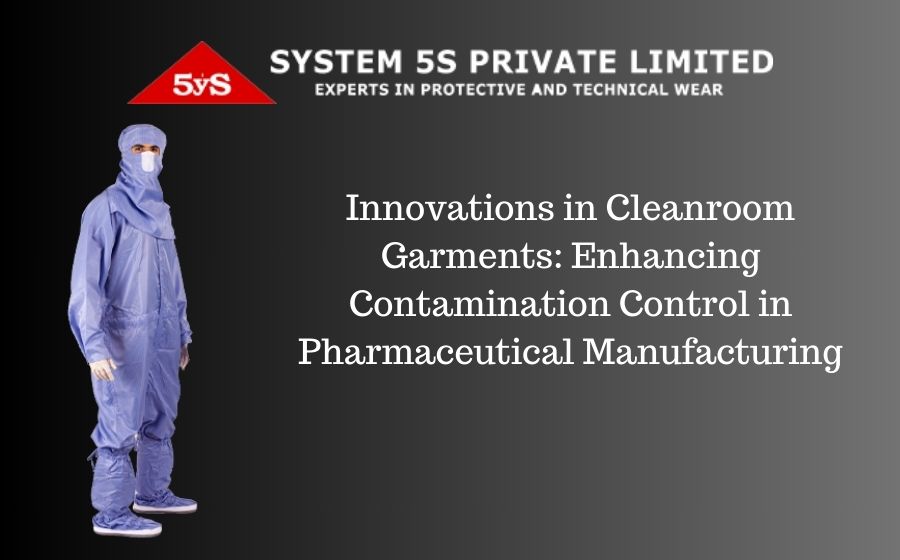
Innovations in Cleanroom Garments: Enhancing Contamination Control in Pharmaceutical Manufacturing

In the pharmaceutical manufacturing industry, maintaining a sterile environment is crucial to ensuring the safety and efficacy of products. Cleanroom garments play a vital role in controlling contamination and protecting both the product and the personnel. Recent advancements in cleanroom garment technology have significantly improved contamination control, offering enhanced protection and comfort. This blog explores the latest innovations in cleanroom garments, their impact on maintaining sterile environments, and insights on selecting the right garments to meet industry standards and regulations.

Latest Advancements in Cleanroom Garment Technology

Advanced Fabric Technologies

Modern cleanroom garments are made from high-tech fabrics designed to provide superior protection against particulate and microbial contamination. These fabrics are engineered to be non-linting, minimizing the risk of particles shedding from the garment. For instance, System 5S offers Non-Linting and Antistatic External Coveralls that combine non-linting polyester with antistatic properties, ensuring minimal particle shedding and enhanced static control.

Enhanced Comfort and Breathability

Comfort is a critical factor in ensuring compliance with cleanroom protocols. Innovations in fabric technology have led to the development of lightweight, breathable materials that allow for better air circulation while maintaining a high level of protection. System 5S’s Plain Non-Linting Garment is designed with comfort in mind, providing protection without compromising on wearability.

Antimicrobial Treatments

Some cleanroom garments now incorporate antimicrobial treatments that inhibit the growth of bacteria and other microorganisms on the fabric’s surface. This additional layer of protection helps reduce the risk of contamination from the garment itself, further ensuring a sterile environment.

Seamless Construction and Non-Linting Seams

The construction of cleanroom garments has also seen significant advancements. Seamless construction techniques and non-linting seams reduce the potential for particle entrapment and shedding. This ensures that the garment maintains its integrity and protective properties throughout its use. For example, the Non-Linting Polyester Latex Sole Antistatic Shoes from System 5S are designed to prevent particle shedding from seams and provide reliable antistatic protection.

Static Dissipative Properties

Static electricity can attract and hold particles, posing a contamination risk in cleanroom environments. Modern cleanroom garments are designed with static dissipative properties to prevent the buildup of static charges. This reduces the likelihood of particle attraction and helps maintain a clean and controlled environment. System 5S offers products like the Non-Linting and Antistatic Cap, which are specifically designed to manage static and minimize contamination.

Maintaining Sterile Environments in Pharmaceutical Manufacturing

Minimizing Contamination Risks

The primary function of cleanroom garments is to act as a barrier against contamination. Advanced fabrics and construction techniques ensure that particles, microbes, and other contaminants are effectively contained. This is critical in pharmaceutical manufacturing, where even the smallest contaminant can compromise product quality and safety.

Enhancing Personnel Protection

In addition to protecting the product, cleanroom garments also safeguard personnel from exposure to hazardous substances. By providing a reliable barrier, these garments reduce the risk of contamination and exposure, ensuring a safer working environment for employees.

Ensuring Compliance with Cleanroom Protocols

Comfortable and breathable garments encourage compliance with cleanroom protocols. When personnel are comfortable, they are more likely to follow proper gowning procedures and wear their protective gear for the required duration. This consistent adherence to protocols is essential for maintaining a sterile environment.

Selecting the Right Cleanroom Garments

Assessing Cleanroom Classifications

Different cleanroom environments have varying levels of cleanliness requirements, classified by the number of particles per cubic meter. It is crucial to select garments that are suitable for the specific cleanroom classification in which they will be used. For example, ISO Class 5 cleanrooms have stricter requirements than ISO Class 8 cleanrooms.

Compliance with Industry Standards

Cleanroom garments must comply with industry standards and regulations to ensure they provide the necessary level of protection. Key standard ISO 14644 for cleanroom environments should be observed . Manufacturers should verify that their garments meet the requirements of ASTM F 2101 and ASTM D257 test methods  and provide documentation to support compliance.

Material and Construction

Choose cleanroom garments made from high-quality materials that offer both protection and comfort. Look for features such as non-linting fabrics, seamless construction, and static dissipative properties. These characteristics enhance the garment’s effectiveness in maintaining a sterile environment. System 5S’s Plain Non-Linting Hood and Non-Linting Polyester Storage Bag Antistatic are excellent examples of products designed to meet these requirements.

Garment Design and Fit

The design and fit of cleanroom garments are essential for ensuring they provide adequate coverage and do not impede movement. Properly fitted garments reduce the risk of contamination and improve comfort for the wearer. Adjustable features, such as elastic cuffs and waistbands, can help achieve a secure fit.

Maintenance and Sterilization

Regular maintenance and sterilization of cleanroom garments are necessary to maintain their protective properties. Ensure that the garments can withstand repeated sterilization processes without degrading. Follow manufacturer guidelines for cleaning and sterilization to extend the life of the garments.

Innovations in cleanroom garment technology have significantly enhanced contamination control in pharmaceutical manufacturing. Advanced fabrics, antimicrobial treatments, seamless construction, and static dissipative properties are just a few of the innovations that contribute to maintaining sterile environments. By selecting the right cleanroom garments that meet industry standards and fit the specific needs of their cleanroom classifications, pharmaceutical manufacturers can ensure the highest levels of protection for their products and personnel.

At System 5S, we are committed to providing cutting-edge cleanroom garments that meet the stringent requirements of the pharmaceutical industry. Our products, such as the Non-Linting and Antistatic External Coverall, Plain Non-Linting Garment, and Non-Linting Polyester Latex Sole Antistatic Shoes, are designed to offer superior protection, comfort, and durability, helping you maintain a clean and controlled environment. Trust System 5S for all your cleanroom garment needs and experience the difference that advanced technology can make in enhancing contamination control.

The Science Behind Flame-Resistant Fabrics: How They Work and Why They Matter

In industries where exposure to flames and high temperatures is a constant threat, flame-resistant (FR) fabrics play a crucial role in ensuring worker safety. These advanced materials are engineered to provide protection against fire hazards, making them indispensable in various high-risk environments. This blog explores the technology and science behind flame-resistant fabrics, discusses the different types of FR materials used in protective clothing, and highlights their importance in enhancing worker safety across industries.

Exploring the Technology and Science Behind Flame-Resistant Fabrics

How Flame-Resistant Fabrics Work

Flame-resistant fabrics are designed to resist ignition and prevent the spread of flames. Unlike regular fabrics that can catch fire and continue to burn, FR fabrics are chemically treated or inherently engineered to self-extinguish when exposed to an open flame. This self-extinguishing property is crucial in reducing burn injuries and increasing the survival chances of individuals in fire-related accidents.

Chemical Treatment

Some FR fabrics achieve their flame resistance through chemical treatments. These chemicals are applied to the fibers or surface of the fabric, forming a protective barrier that prevents ignition and inhibits the spread of flames. The treated fabric can withstand high temperatures without igniting or melting, providing an additional layer of safety for the wearer.

Inherent Flame Resistance

Inherently flame-resistant fabrics are made from fibers that possess natural flame-resistant properties. These fibers, such as Nomex® and Kevlar®, do not require additional chemical treatments to provide protection. The inherent flame resistance is built into the molecular structure of the fibers, ensuring long-lasting and consistent protection even after repeated washes and prolonged use.

Different Types of Flame-Resistant Materials Used in Protective Clothing

Nomex®

Nomex® is a high-performance fiber known for its excellent flame resistance and thermal protection. It is inherently flame-resistant, meaning its protective properties are built into the fiber itself. Nomex® does not melt, drip, or support combustion in the air, making it an ideal choice for protective clothing in high-heat environments. It is commonly used in firefighter suits, military uniforms, and industrial workwear.

Kevlar®

Kevlar® is another high-strength, flame-resistant fiber often used in conjunction with Nomex®. Kevlar® provides exceptional durability and resistance to cuts and abrasions. Its flame-resistant properties, combined with its strength, make it suitable for applications where both heat protection and mechanical protection are required, such as in protective gloves, jackets, and body armor.

Modacrylic

Modacrylic fibers are widely used in flame-resistant clothing due to their excellent flame resistance and comfort. These fibers are often blended with other materials to enhance their protective properties. Modacrylic fabrics are soft, lightweight, and provide good moisture management, making them comfortable for all-day wear. They are commonly used in workwear for industries such as utilities, oil and gas, and manufacturing.

Protera®

Protera® is a proprietary blend of high-performance fibers, including modacrylic, Nomex®, and Kevlar®. This fabric offers excellent flame resistance, durability, and comfort. Protera® is designed to withstand the intense energy of arc flashes and provide superior protection against heat and flames. It is widely used in electrical arc flash apparel and industrial protective clothing.

The Importance of Flame-Resistant Fabrics in Enhancing Worker Safety

Reducing Burn Injuries

One of the primary benefits of flame-resistant fabrics is their ability to reduce burn injuries. By self-extinguishing and preventing the spread of flames, these fabrics minimize the severity of burns and provide critical protection to workers in hazardous environments.

Enhancing Survival Chances

In the event of a fire-related accident, the use of FR fabrics can significantly enhance survival chances. The protective barrier created by these fabrics helps shield the wearer from intense heat and flames, allowing more time for escape and reducing the risk of life-threatening injuries.

Compliance with Safety Standards

Many industries have strict safety standards and regulations regarding the use of flame-resistant clothing. FR fabrics are designed to meet or exceed these standards, ensuring that workers are adequately protected and that employers remain compliant with regulatory requirements.

Versatility Across Industries

Flame-resistant fabrics are used in a wide range of industries, including firefighting, oil and gas, electrical utilities, manufacturing, and military. The versatility of these materials allows for their application in various protective clothing, from coveralls and jackets to gloves and helmets.

Improving Worker Confidence and Productivity

Providing workers with high-quality flame-resistant clothing improves their confidence and sense of security on the job. Knowing they are protected against fire hazards allows workers to focus on their tasks, ultimately enhancing productivity and efficiency.

Flame-resistant fabrics are a vital component of workplace safety in high-risk environments. The advanced technology and science behind these materials ensure that they provide reliable protection against flames, heat, and thermal hazards. By incorporating flame-resistant fabrics like Nomex®, Kevlar®, modacrylic, and Protera® into protective clothing, industries can enhance worker safety, comply with safety standards, and create a safer and more productive work environment.

At System 5S, we are committed to providing the highest quality flame-resistant clothing and protective gear. Our products are designed to meet the rigorous demands of various industries, ensuring that workers are equipped with the best possible protection. Trust System 5S for all your flame-resistant fabric needs and prioritize safety in the workplace.

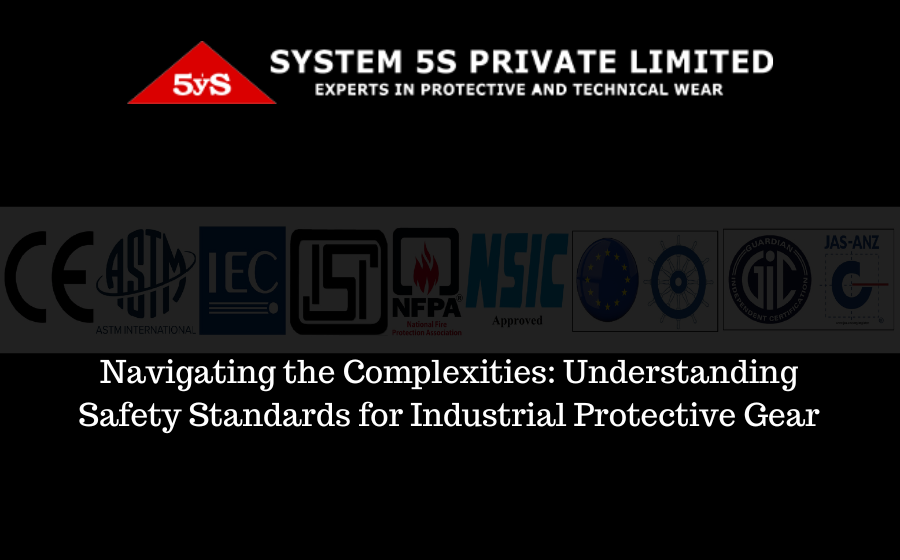
Navigating the Complexities: Understanding Safety Standards for Industrial Protective Gear

Ensuring the safety of workers in high-risk environments is a top priority for any organization. Industrial protective gear plays a crucial role in safeguarding workers from various hazards, including fire and heat-related risks. To ensure the effectiveness of this protective gear, it must meet stringent safety standards and regulations.

In this blog, we will explore some of the key safety standards governing industrial protective gear and their significance in ensuring worker safety.

1. IS 16890 : 2018

This Indian standard outlines the minimum performance requirements for protective clothing designed to safeguard users against hazards emanating from fires in structural buildings. Compliance with IS 16890 ensures that protective clothing can endure rigorous challenges, providing safety assurance and uniformity across standards. System 5S Private Limited leads the way in safety by introducing fully certified fire-fighting suits compliant with this standard.

2. EN 469 : 2020

A European standard defining the minimum performance requirements for protective clothing worn during firefighting activities. EN 469 compliance ensures optimal protection against heat, flames, water, and mechanical hazards. System 5S offers a range of EN 469 certified fire suits, meeting the highest quality global standards.

3. NFPA 70E

NFPA 70E, also known as the Standard for Electrical Safety in the Workplace, is a critical standard for ensuring the safety of workers who are exposed to electrical hazards. It provides guidelines for assessing the risks associated with electrical work and implementing safety measures to protect workers from electrical shocks, arc flashes, and other electrical hazards.

4. IEC/EN 61482-1-1 : 2014

IEC/EN 61482-1-1 is an international standard that specifies the performance requirements for protective clothing against the thermal hazards of an electric arc in an open arc environment . It provides guidelines for evaluating the protective properties of clothing materials and garments when exposed to arc flash incidents.

5. ISO 11612 : 2015 & ISO 11611 : 2015

ISO 11612 and ISO 11611 are international standards that specify the performance requirements for protective clothing worn by workers exposed to heat and flame (ISO 11612) and welding and allied processes (ISO 11611). These standards ensure that protective clothing provides adequate protection against the specific hazards associated with these work environments.

6. EN 61482 Certified

EN 61482 is a European standard that specifies the performance requirements for protective clothing against the thermal hazards of an electric arc in a closed (box) environment . It provides guidelines for evaluating the protective properties of clothing materials and garments when exposed to arc flash incidents.

Ensuring Compliance

Adhering to safety standards is not only a legal requirement but also a moral obligation for employers. Compliance with these standards demonstrates a commitment to worker safety and helps mitigate the risk of accidents and injuries in the workplace. Additionally, certified protective gear provides peace of mind to workers, knowing that they are adequately protected from potential hazards.

Enhancing Safety Culture

By prioritizing safety and investing in certified protective gear, businesses can cultivate a strong safety culture within their organization. A safety-conscious work environment fosters employee morale, productivity, and retention, ultimately contributing to the overall success of the business. When workers feel safe and valued, they are more likely to perform their duties efficiently and contribute positively to the company’s goals.

Continuous Improvement

Safety standards are constantly evolving to address emerging risks and challenges in the workplace. As such, it is essential for businesses to stay updated on the latest regulations and advancements in safety technology. By regularly reviewing and updating their safety protocols and equipment, businesses can ensure that they remain compliant with current standards and provide the highest level of protection for their workers.

System 5S is committed to providing high-quality industrial protective gear that meets and exceeds global safety standards. With a comprehensive range of products certified to various standards, including IS, EN, NFPA, and ISO, System 5S ensures that workers are equipped with the best possible protection in hazardous environments. Trust System 5S for  your industrial protective gear needs and prioritize safety in the workplace.

The Evolution of Firefighter Gear: From Traditional Uniforms to Advanced Protective Suits

Firefighting is one of the most dangerous professions, requiring individuals to face extreme heat, flames, and hazardous environments. The evolution of firefighter gear over the years reflects the growing understanding of these risks and the advancements in technology and materials that have been developed to protect those who serve on the front lines. In this blog, we will explore the history of firefighter protective gear, highlight the technological improvements in modern suits, and discuss how these changes have enhanced safety and efficiency for firefighters.

A Brief History of Firefighter Gear

Early Firefighting Uniforms: In the early days of firefighting, protective gear was rudimentary at best. Firefighters wore woolen uniforms and leather helmets, which provided minimal protection against heat and flames. The primary purpose of these uniforms was to offer some degree of protection from falling debris and to keep firefighters warm in cold weather.

The Introduction of Rubber and Canvas: By the late 19th and early 20th centuries, firefighting gear saw significant improvements with the introduction of rubber and canvas materials. Rubberized coats and boots became common, offering better water resistance and some protection from heat. These materials, however, were still far from ideal, as they could become heavy and cumbersome when wet.

The Development of Turnout Gear: The mid-20th century marked a turning point in the evolution of firefighter gear with the development of turnout gear. This new type of protective clothing was designed to be worn over regular uniforms and consisted of multiple layers to provide better protection against heat and flames. The outer shell was typically made of flame-resistant materials, while the inner layers included moisture barriers and thermal liners.

Technological Advancements in Modern Firefighter Suits

Introduction of Advanced Fabrics: Modern firefighter suits are a testament to the advancements in material science. Fabrics like Nomex® and Kevlar® have revolutionized the industry by offering superior flame resistance, durability, and strength. Nomex®, an inherently flame-resistant material, does not melt or drip when exposed to fire. Kevlar®, known for its high tensile strength, adds an extra layer of protection against cuts and abrasions.

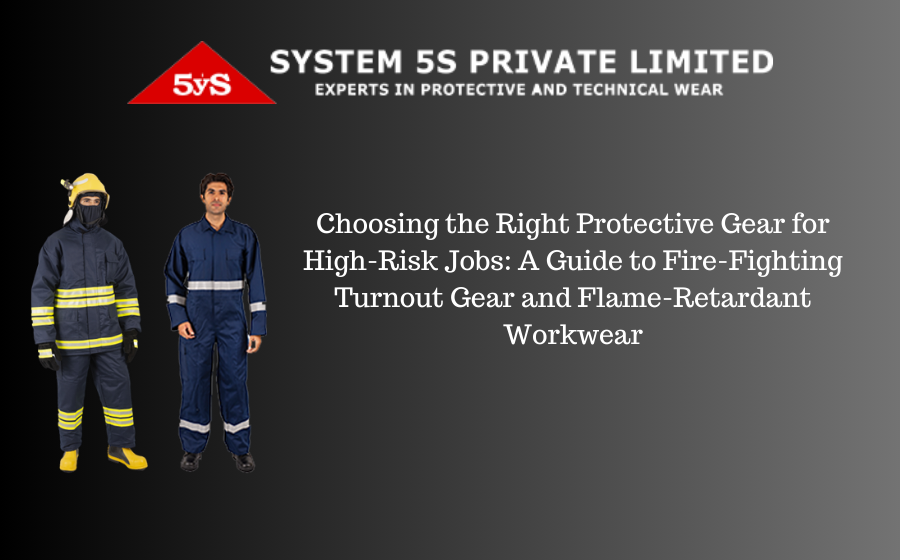
Multi-Layered Protection: Today’s firefighter suits consist of three primary layers, each serving a specific purpose:

  1. Outermost Layer: This layer is made from flame-resistant materials like Nomex® and Kevlar® and provides abrasion, tear resistance, and water repellency. It serves as the first line of defense against flames and heat.
  2. Moisture Barrier: The moisture barrier is designed to keep water, chemicals, and other hazardous liquids from penetrating the suit. It also offers additional flame resistance.
  3. Thermal Barrier: The thermal barrier provides insulation against extreme heat, protecting firefighters from burns and thermal injuries. It also helps to regulate body temperature by allowing moisture to escape.

Enhanced Visibility: Reflective strips and high-visibility colors have become standard features in modern firefighter suits. These elements improve visibility in low-light conditions, making it easier for firefighters to locate each other and navigate through smoke-filled environments.

Breathability and Comfort: Advancements in fabric technology have also improved the breathability and comfort of firefighter suits. Lightweight materials and ergonomic designs allow for greater mobility and reduce the risk of heat stress, enabling firefighters to perform their duties more effectively.

Impact on Safety and Efficiency

Increased Protection: The combination of advanced materials and multi-layered construction provides firefighters with unparalleled protection against the dangers they face on the job. Modern suits are designed to withstand extreme temperatures and harsh conditions, significantly reducing the risk of burns and other injuries.

Improved Mobility: The incorporation of ergonomic designs and lightweight materials has enhanced the mobility of firefighters, allowing them to move more freely and perform their tasks with greater efficiency. This is particularly important in rescue operations, where speed and agility can make a critical difference.

Better Health and Well-Being: The improved breathability and moisture management of modern suits help to regulate body temperature and reduce heat stress. This contributes to the overall health and well-being of firefighters, enabling them to work longer and more comfortably in challenging environments.

Increased Visibility and Communication: High-visibility elements and reflective strips improve the safety of firefighters by making them more visible to their teammates and reducing the risk of accidents. Enhanced communication through integrated radio pockets and other features also ensures that firefighters can stay in constant contact with their team and command center.

Conclusion

The evolution of firefighter gear from traditional uniforms to advanced protective suits reflects the continuous efforts to improve the safety and efficiency of those who risk their lives to protect others. The advancements in materials and technology have transformed firefighter suits into highly specialized gear designed to withstand the most extreme conditions. As technology continues to evolve, we can expect further innovations that will enhance the protection and performance of firefighter gear, ensuring that our heroes are equipped with the best possible tools to carry out their vital work. At System 5S, we are committed to staying at the forefront of these advancements, providing high-quality, reliable protective gear for firefighters and other professionals in hazardous environments.